
By Shoreyann Ragoso

North Guadalcanal, Solomon Islands Communities in Ghaobata Ward are set to benefit from stronger, climate‑resilient sanitation solutions after UNICEF, together with national government partners, completed a three‑day Climate‑Resilient Community‑Led Total Sanitation (CLTS) Artisans Training at Ghaobata Community High School Last week on the 7-9 of July 2026.
The training brought together more than 25 local artisans from four surrounding communities, equipping them with practical skills to design and construct low‑cost, durable, and accessible household toilets. The initiative aims to help families improve sanitation without relying on expensive materials or systems.

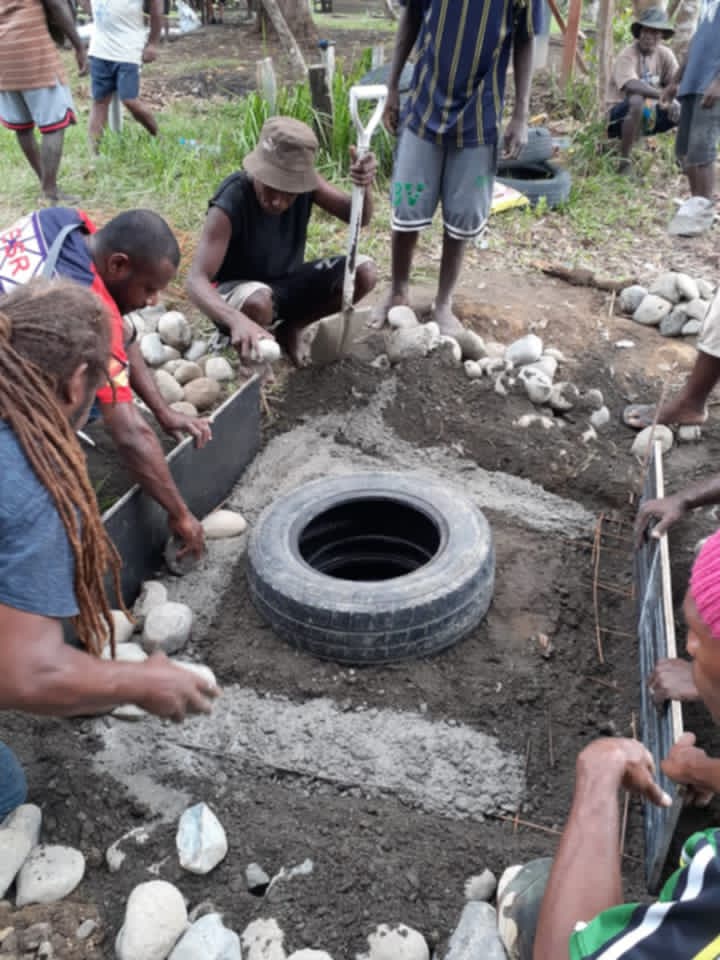
Participants spent three days learning climate‑resilient toilet design, construction standards, and inclusive accessibility features. They also practiced building several low‑cost toilet models on site, demonstrating how communities can adopt affordable solutions that withstand extreme weather and environmental pressures.
Senior Project Officer Eric Hale from UNICEF Solomon Islands said local artisans play a crucial role in improving sanitation coverage and reducing open defecation, which remains a major environmental and health challenge in the area.

According to Hale, only about 35% of households in North Guadalcanal currently have improved sanitation, while around 45% of the population still practices open defecation. He said misconceptions about toilet construction — including the belief that toilets must be built with bricks, septic systems, and ceramic pans — often discourage families from building their own.
“We encourage communities to take ownership and support their artisans so households can stop using the bush, river or sea,” Hale said.
The trained artisans are now expected to apply their new skills in their respective communities, helping households build safer, more sustainable toilets using locally available materials. This effort supports broader national goals to reduce open defecation, strengthen climate resilience, and improve environmental health for families and children.

The program was led by the Guadalcanal Province Environmental Health Division in line with government policy, with UNICEF providing funding and technical support through Live & Learn. Local and international partners emphasized that improving sanitation requires shared responsibility between communities, government, and donors.
UNICEF also acknowledged the strong participation of artisans and community leaders, reaffirming its commitment to improving health outcomes through better WASH services.