
BY LESLEY FOINAGWA IN WEST KWAIO, MALAITA PROVINCE
Rural farmer Moses Teabo of Ngari’au Village in West Kwaio, Malaita Province, is showing that young people can make a positive difference through farming.
After leaving high school several years ago because of school fee commitments, Teabo decided to stay in his village and focus his energy on agriculture.
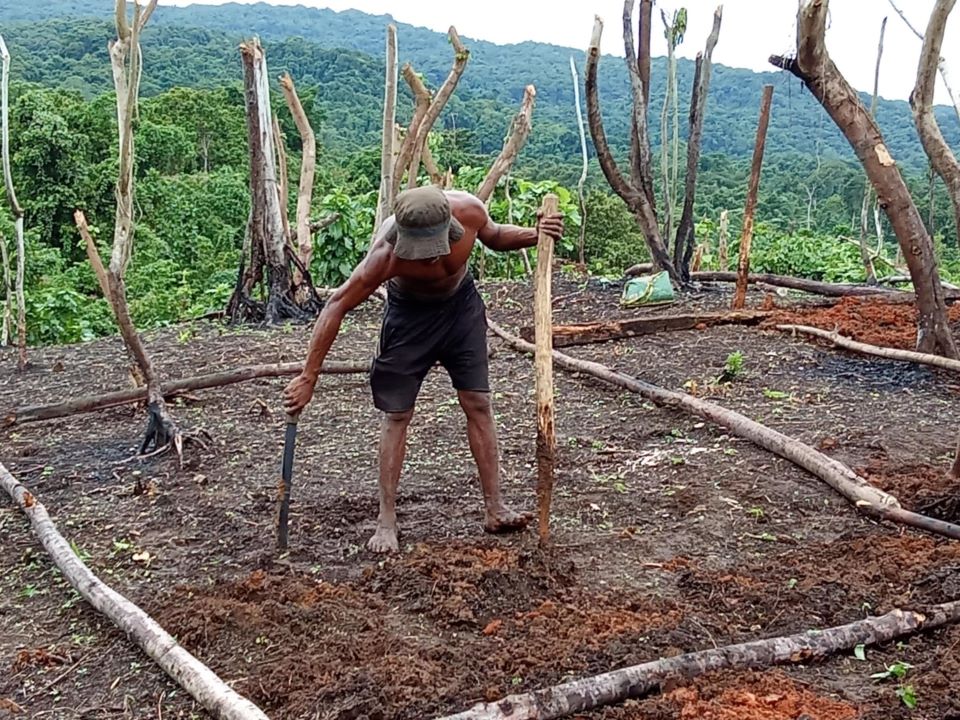
In 2026, he started his own small garden, planting yam and pana near his home. He planted about 200 yam and 500 pana, giving him around 700 plants altogether.
For Teabo, gardening is more than growing food. It is a way to work hard, learn new skills, support his family and contribute to his community.
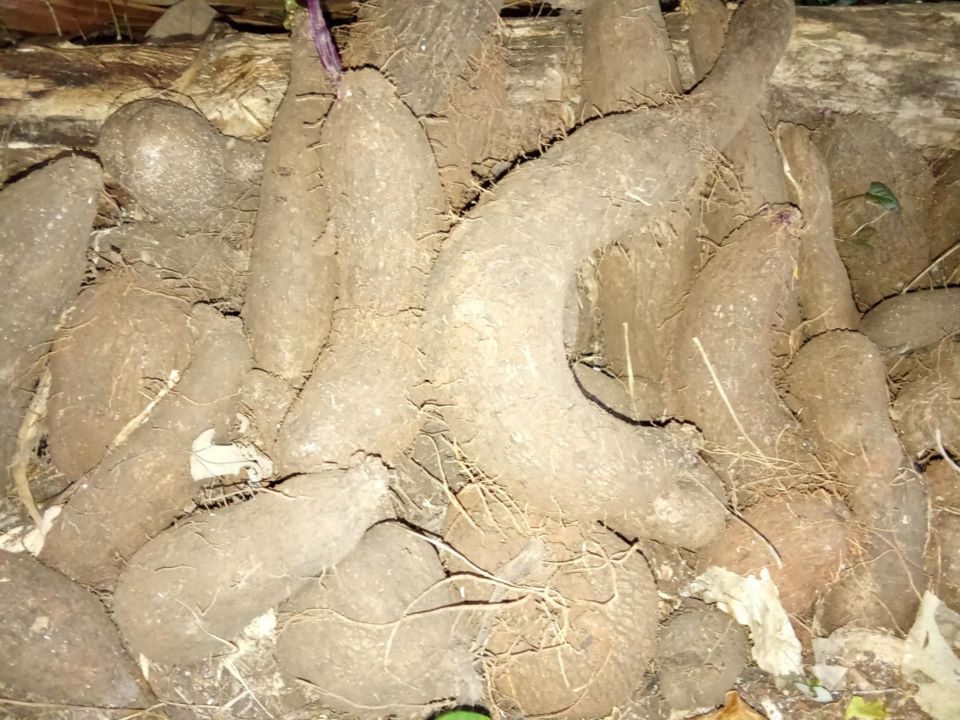
He said yam and pana farming does not require much money because many of the materials needed can be found locally.
“Planting yam and pana isn’t expensive because you can just use local materials such as sticks to dig the ground and plant the yam and pana,” he said.
Teabo said bush materials are also easily available around his garden and can be used to support the crops as they grow.
However, farming requires patience. He said yam and pana can take almost one year before they are ready for harvesting.
For a young farmer starting with limited resources, waiting for the crops to mature is part of the challenge. But Teabo believes the effort will be worthwhile.
His interest in farming began when he was a child. His father introduced him to gardening and taught him how to plant yam and pana.
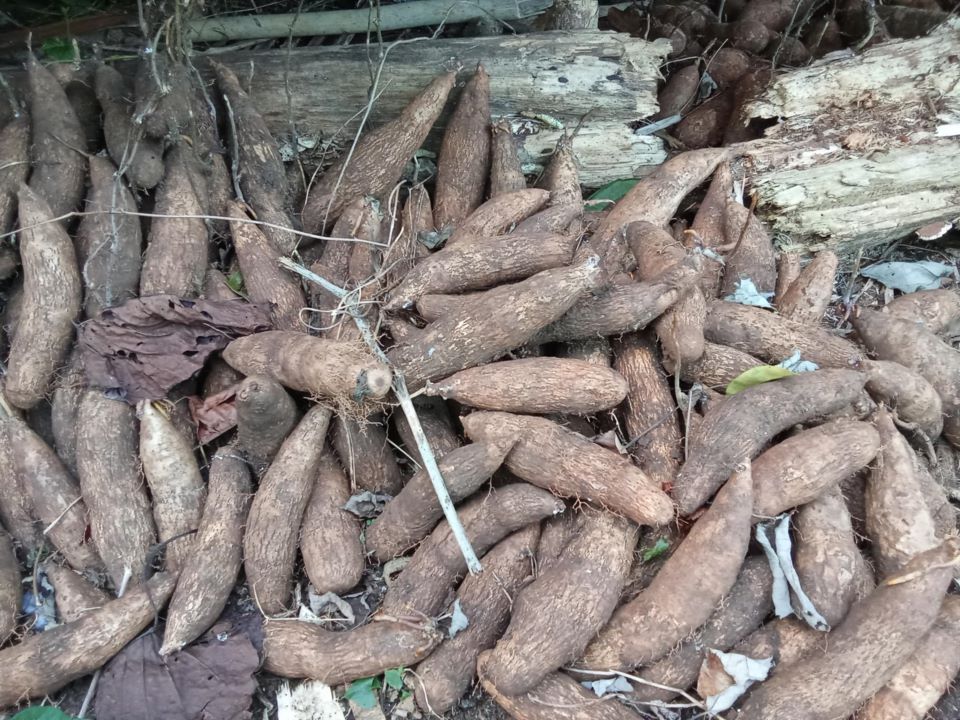
“I remember when my father taught me how to plant yam and pana during my childhood years,” he recalled.
Years later, that childhood lesson has become an important part of his life.
Teabo said starting his own garden has not been easy, but he remains determined to continue.
“It is a challenge as a young boy trying to start my career with planting yam and pana,” he said.
With determination, he prepared his garden and began planting. Although the garden is still small, Teabo believes it can grow if he continues to work hard.
He is also encouraging other young people to consider gardening and other productive activities instead of becoming involved in unwanted activities.
“It is important for young people to get involved in garden crops so that they can benefit by earning cash and supporting their family, community, province and country as a whole,” he said.
For Teabo, farming can provide young people with both food and an opportunity to earn income.
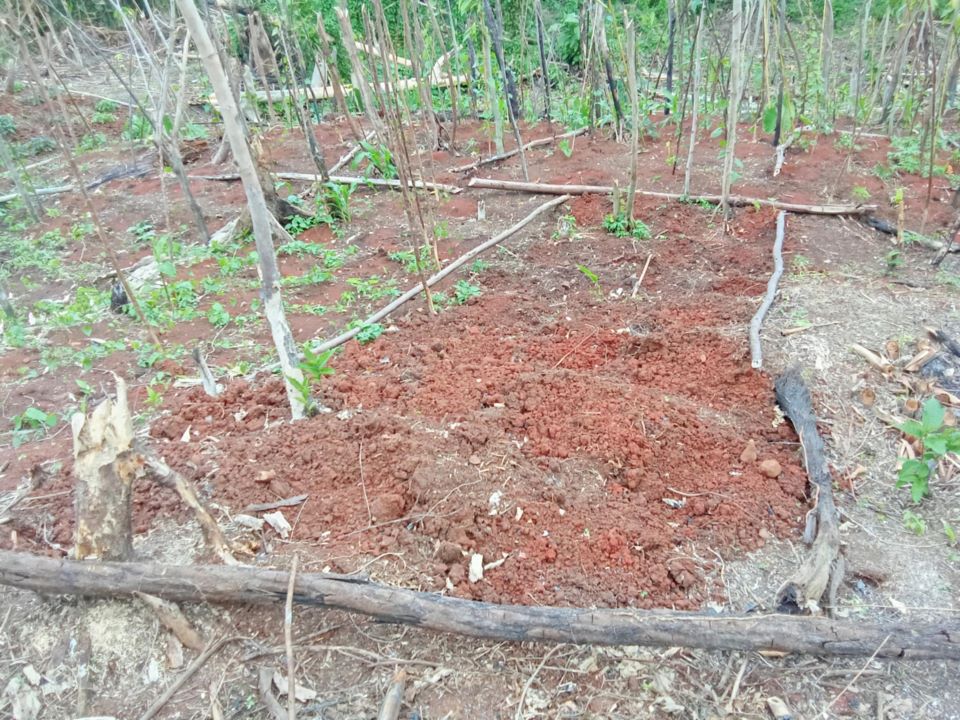
Yam and pana are important food crops for many families in Solomon Islands. They provide food for households and can also become a source of income when farmers produce enough to sell.
Teabo hopes to sell his produce at rural markets. If his production increases, he wants to reach bigger markets in Auki and Honiara.
“For me as a young boy, it is not a disturbance to plan and do my own work program,” he said.
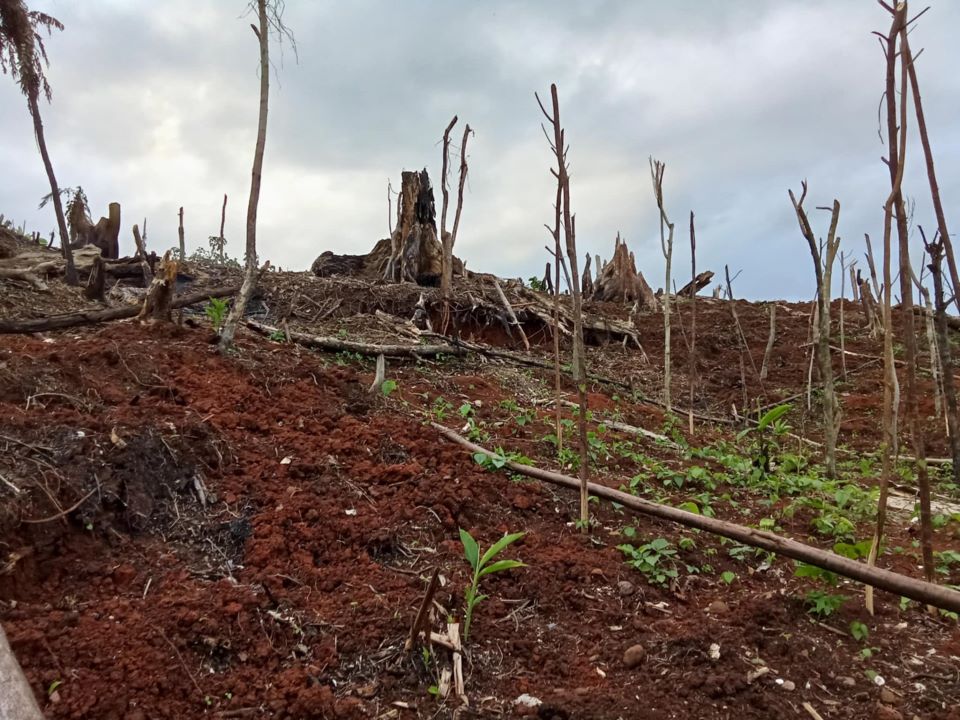
“I feel free to do my work, especially with the yam and pana that I have started this time.”
His work does not end after planting. Teabo plans to regularly maintain his garden by removing weeds and placing sticks to support the yam and pana vines as they grow.
He faces several challenges, including a shortage of labour, changing weather conditions and finding suitable soil for planting.
Despite these difficulties, he remains committed to farming and hopes to expand his activities in the future.
Teabo’s small garden is a reminder that farming is not only for older people. Young people can also play an important role in food production, family income and community development.
For this young farmer from West Kwaio, the journey has only just begun. With patience, hard work and determination, his 700 plants could become the foundation of a bigger farming business and a brighter future for his family.