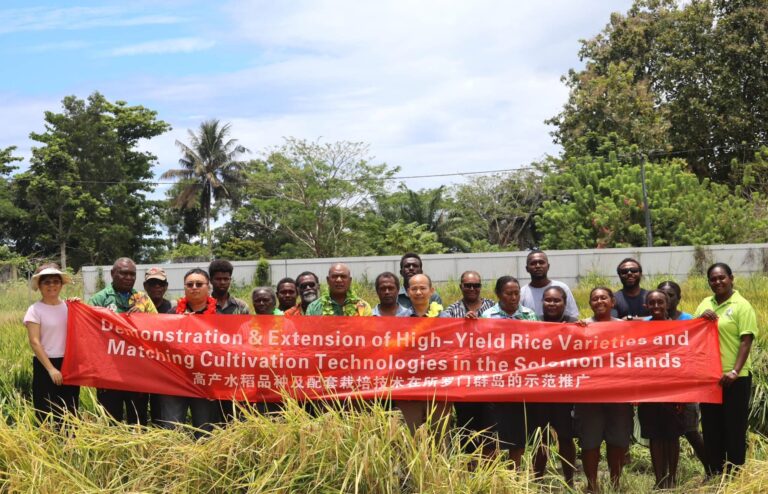

Chinese agricultural experts working in Honiara have completed a major phase of rice transplanting at the joint demonstration base, marking an important step toward strengthening sustainable food production and environmental resilience in Solomon Islands.
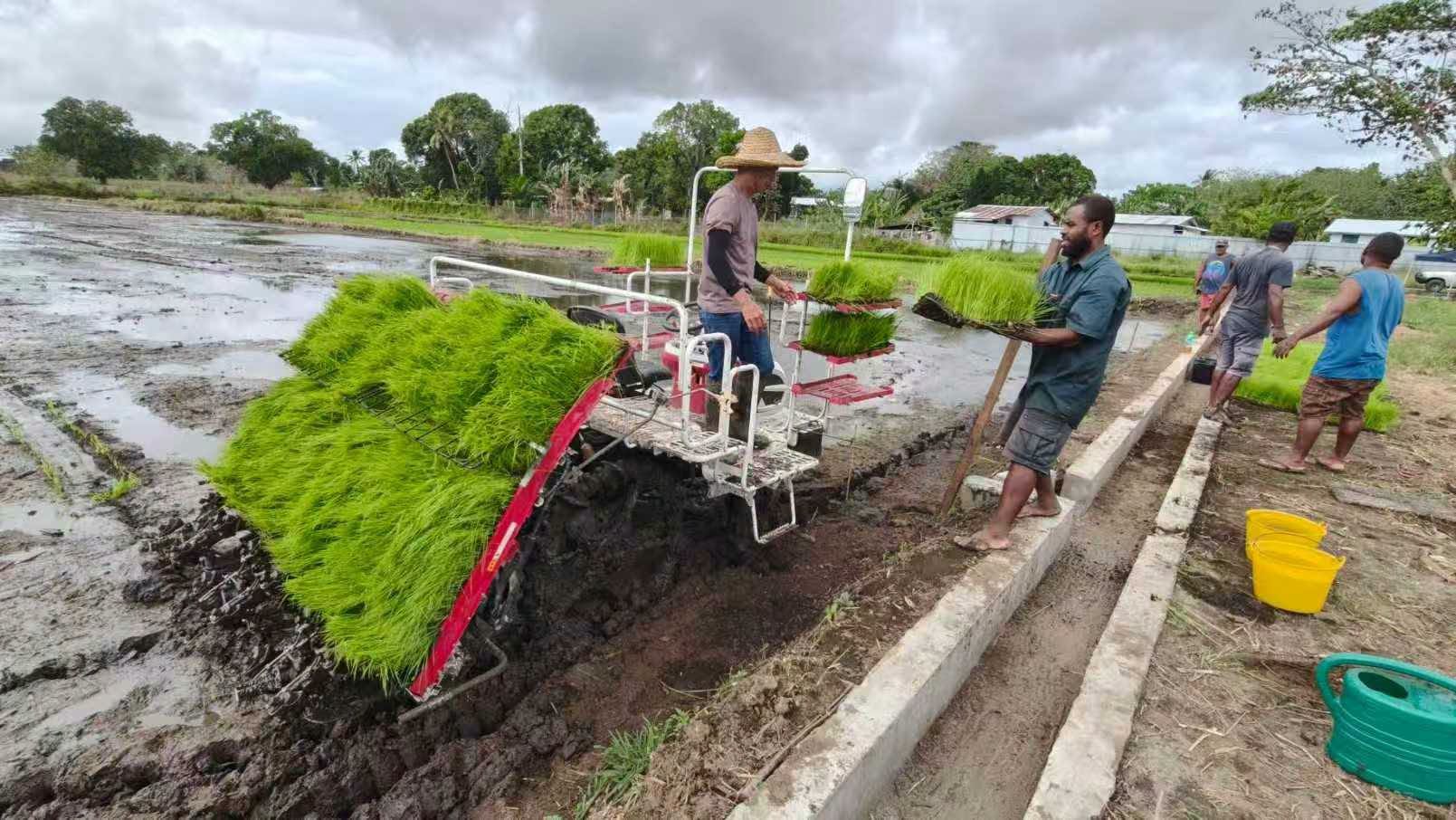
Since June 2026, four specialists from the Jiangsu Academy of Agricultural Sciences including two rice experts, a vegetable specialist and a fertilizer specialist have been providing hands‑on technical assistance under the cooperation framework between JAAS and the Ministry of Agriculture and Livestock. Their work began with essential groundwork such as field preparation, seedling raising, water‑salinity monitoring and establishing proper soil conditions.
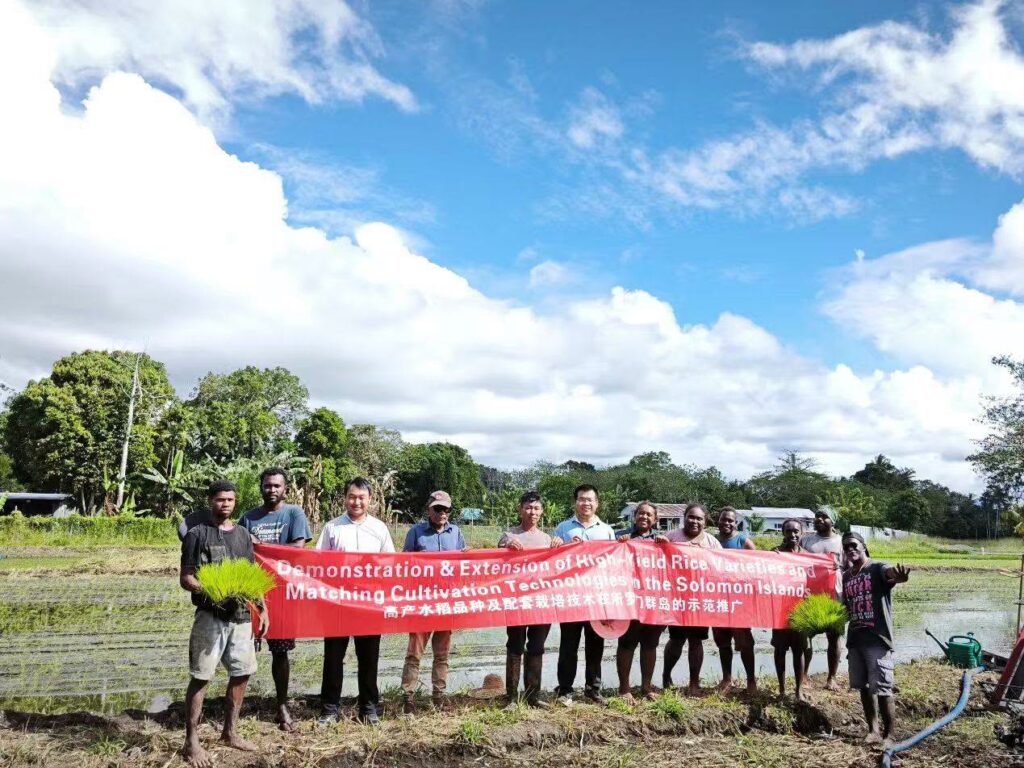
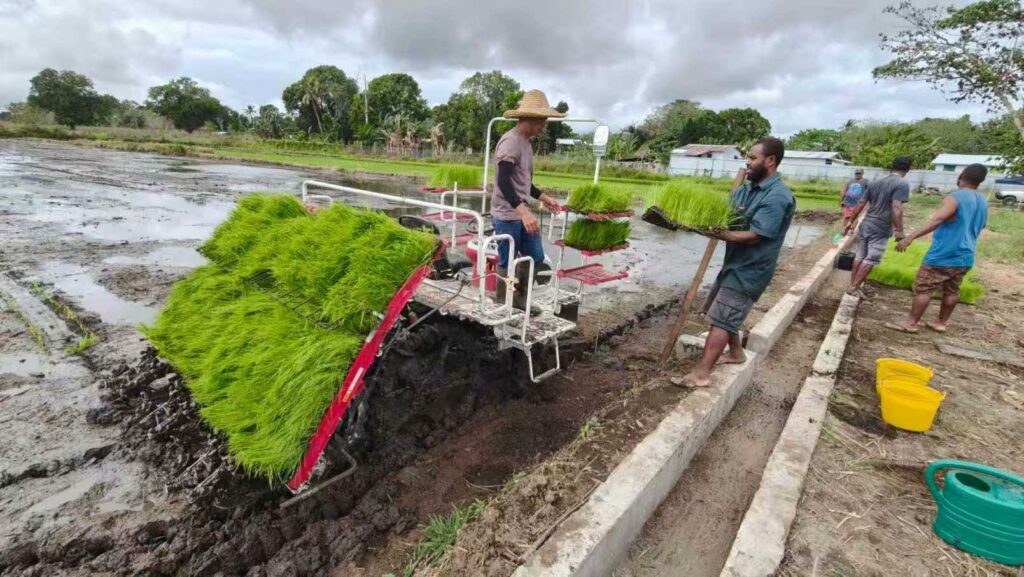
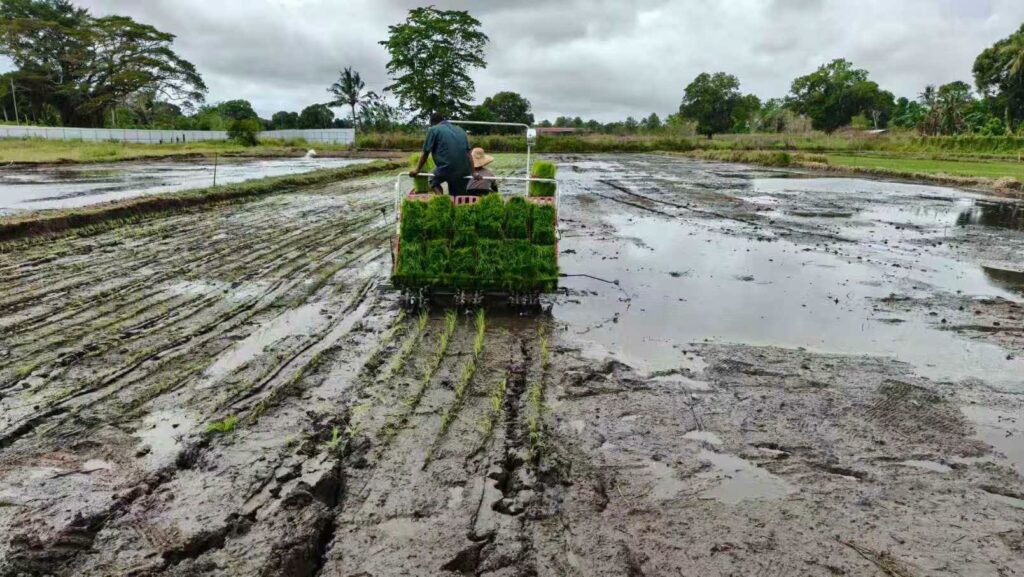
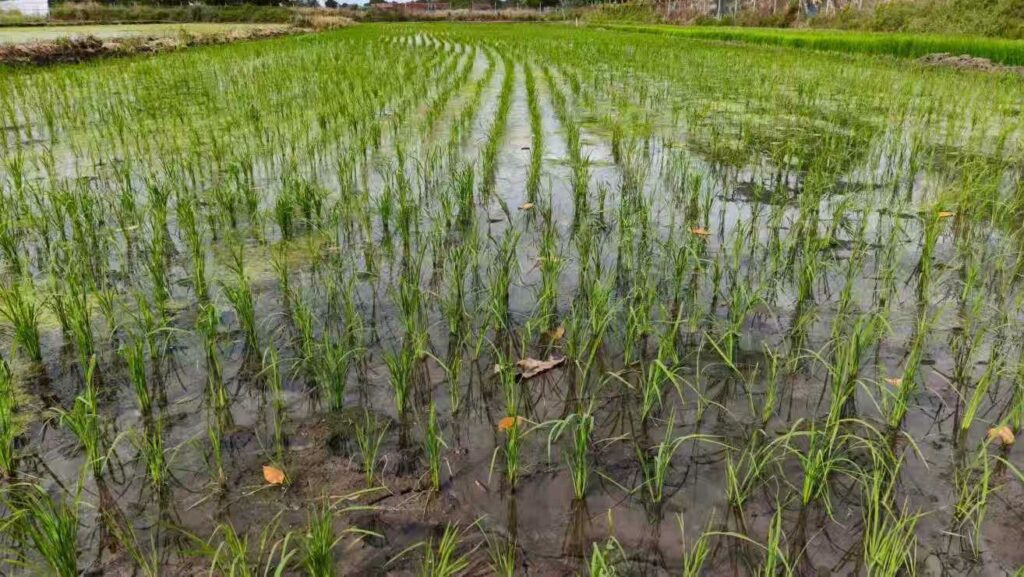
With these foundations in place, the team successfully carried out both manual and mechanized transplanting across one hectare of experimental and demonstration rice fields. Mechanized transplanting significantly boosted efficiency, while standardized planting ensured uniform seedling density. The transplanted seedlings have now recovered well, showing lush green leaves, normal tillering and strong overall growth.
Nine agronomy students from Solomon Islands National University joined the transplanting and field management activities, gaining practical experience that strengthens their environmental and agricultural training. Their involvement highlights the project’s commitment to building local capacity and empowering young Solomon Islanders with modern, climate‑smart farming skills.
To broaden knowledge across the agriculture sector, the experts also hosted on‑site observation seminars for officials from the Ministry of Agriculture and Livestock and frontline technicians from all provinces. The sessions focused on two advanced seedling‑raising methods water tray and dry tray techniques with step‑by‑step demonstrations covering substrate preparation, water and fertilizer regulation, and disease prevention. Participants received practical guidance on identifying strong seedlings and improving nursery management, supporting the country’s shift toward more resilient and environmentally responsible farming practices.
In the next phase, the Chinese team will continue refined field management, monitoring pests, diseases and weeds while guiding SINU students through daily water and fertilizer management. Tiered technical training will also be delivered to provincial agricultural officers to strengthen nationwide rice‑production capacity.
The project jointly supported by the Embassy of the People’s Republic of China and the Ministry of Agriculture and Livestock deepens practical agricultural cooperation between the two countries. By introducing modern techniques, strengthening local expertise and promoting sustainable field practices, the initiative aims to boost rice and vegetable production while supporting a greener, more food‑secure future for Solomon Islands.
Source: Chinese Embassy in Solomon Islands