
The Adventist Development and Relief Agency (ADRA) Solomon Islands, through its Rehabilitation of Rainwater Catchment System Project (RRCSP), has successfully completed waterborne disease awareness sessions across five communities in Western Province.
Waterborne diseases are illnesses caused by drinking or using water contaminated with harmful microorganisms such as bacteria, viruses and parasites. These diseases commonly spread when people consume water contaminated by human or animal waste, or when they use contaminated water for washing, cooking and cleaning.
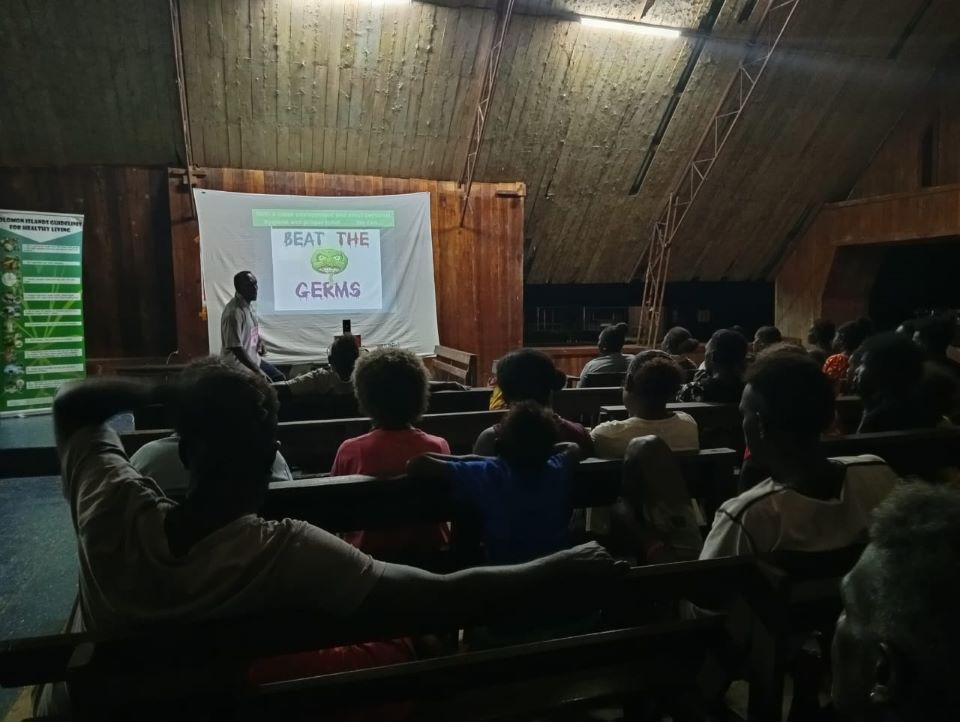
The awareness sessions were conducted at Vanga on 29 October on Kolobangara Island; Lengana and Tapurai on 2 November; Keigol on 4 November; and Korovuku on 5 November across Simbo and Rannogah Islands.
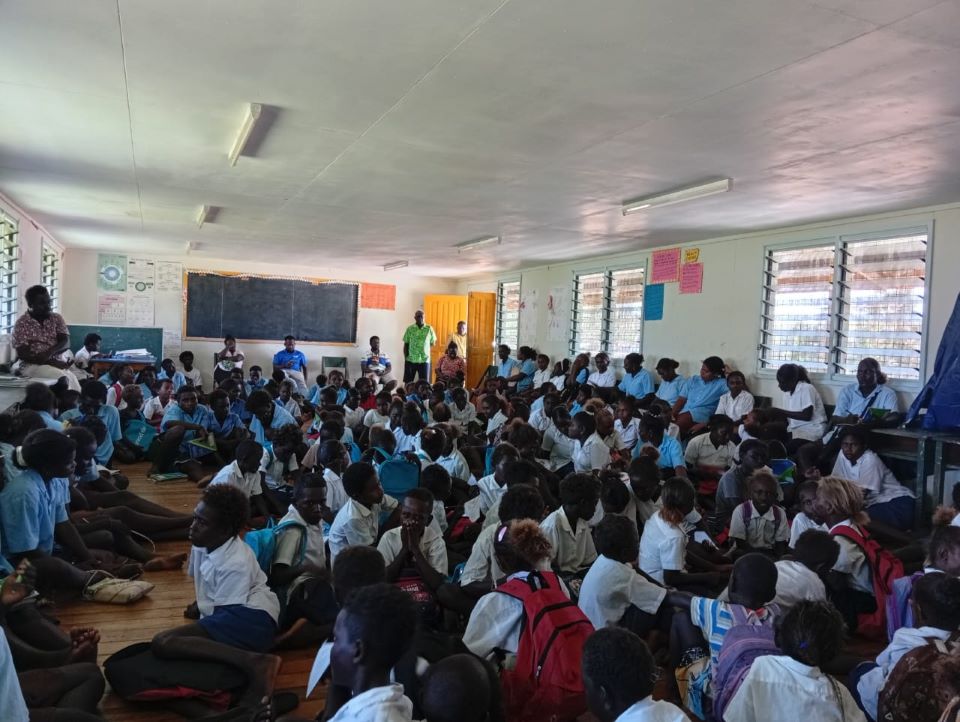
The sessions aimed to improve community understanding of how waterborne diseases spread, their causes and effects, and practical ways to prevent them. Community members were encouraged to practise good hygiene, maintain clean water sources, store drinking water safely and take responsibility for protecting their families and communities from waterborne diseases.
The training was facilitated by staff from the Western Provincial Government’s Environmental Health Division with support from ADRA Solomon Islands staff.
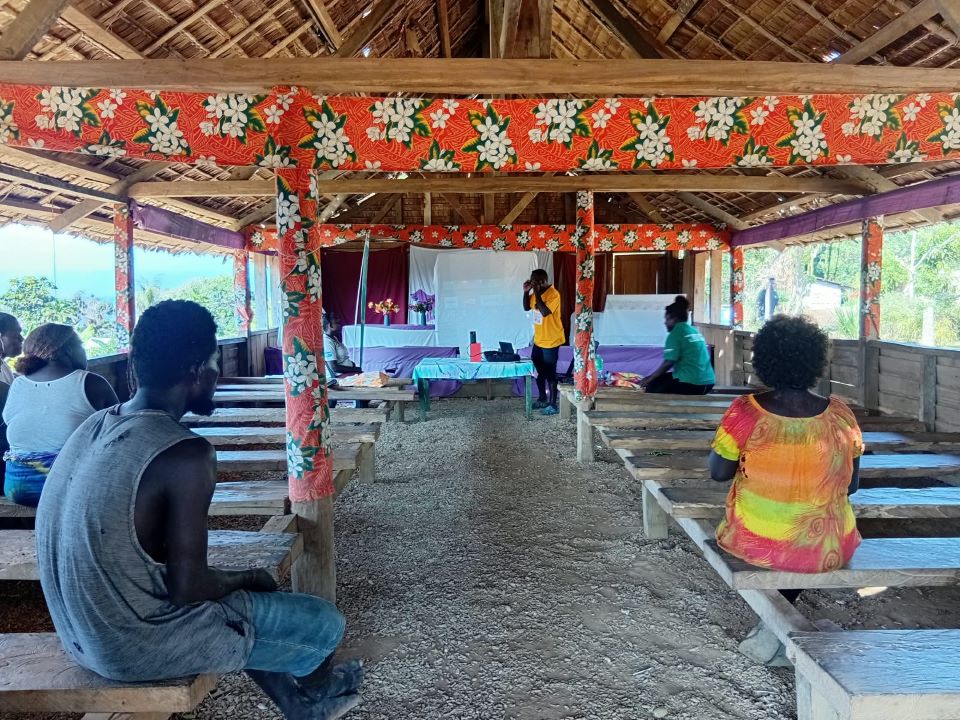
The awareness activities were funded by the Government of Australia through the Australian Humanitarian Partnership (AHP), with support from World Vision Solomon Islands (WVSI), under the Rehabilitation of Rainwater Catchment System Project (RRCSP).
The Project Officer for the Rehabilitation of Rainwater Catchment System Project (RRCSP), Melina Navo, described the awareness training as successful and informative for community members across the five communities.
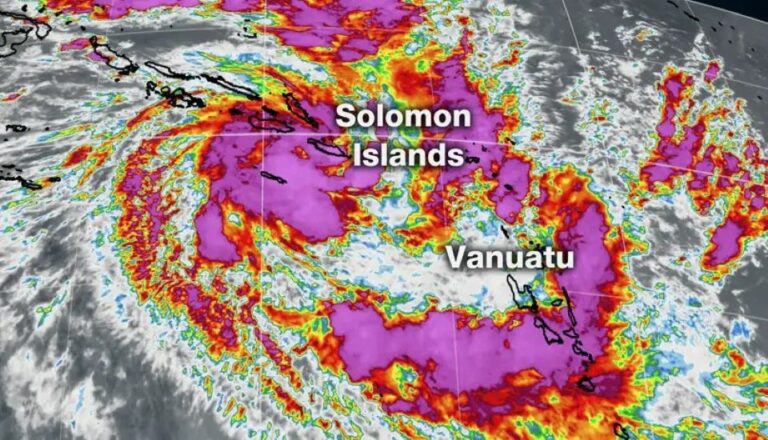
“Following Tropical Cyclone Maila, access to safe drinking water has been a challenge for many communities. Through this training, people have gained a better understanding of how to use water safely for drinking, washing and other household purposes.
“Many people have experienced sickness, but through this awareness, they now understand that contaminated water can cause illnesses. The training has helped them understand how to live healthier lives and protect their water sources from contamination,” Ms Navo said.
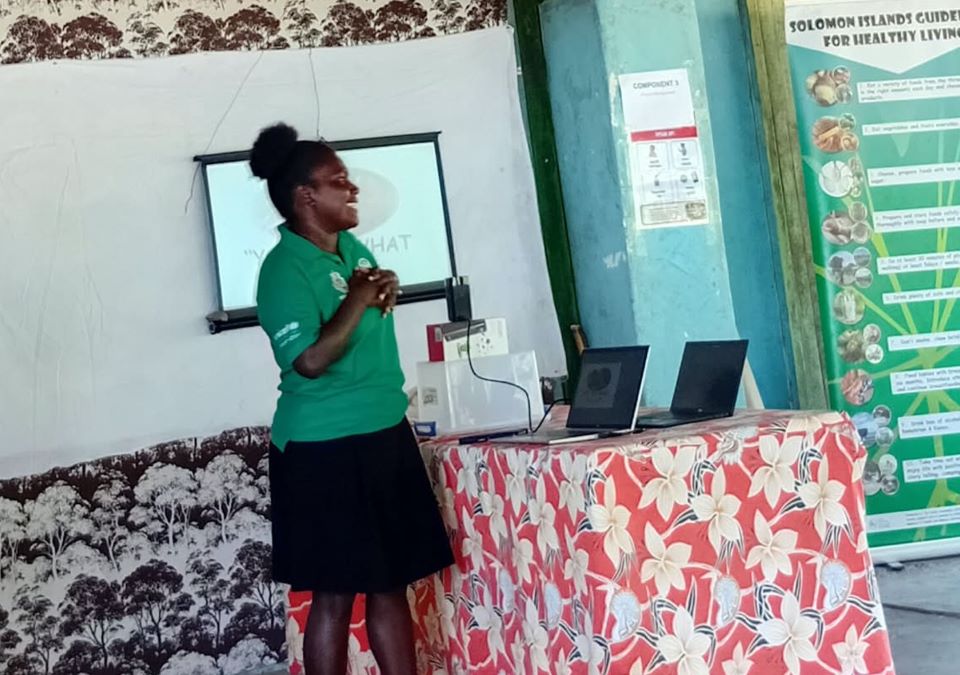
Ms Navo also acknowledged the five communities for their cooperation and support throughout the six months of project implementation.
“I would like to thank all five communities for their support and cooperation over the past six months of project implementation, which has now come to an end”
“I also extend my appreciation to the clinic nurses, provincial health staff and everyone who supported us throughout the project. We are grateful for their contributions, which have helped us successfully complete the project, including this final waterborne disease awareness programme across the communities,” Ms Navo said.
The six-month recovery project supporting this five Rural Health Centre (RHC) clinics was part of TC Maila response. The project aims to improve access to safe water through the installation and rehabilitation of rainwater harvesting systems, as well as the distribution of water filter buckets to affected clinics and surrounding communities.
The project was funded by Australian Humanitarian Partnership (AHP) through World Vision Solomon Islands (WVSI) as Grant Agent and will be implemented by ADRA SI. The project commenced in May 2026 and now ended in October.
Source: ADRA Press Release