
BY JOY OFASIA
Young people must be given greater opportunities to understand and respond to the impacts of climate change and loss and damage, according to officials and development partners.
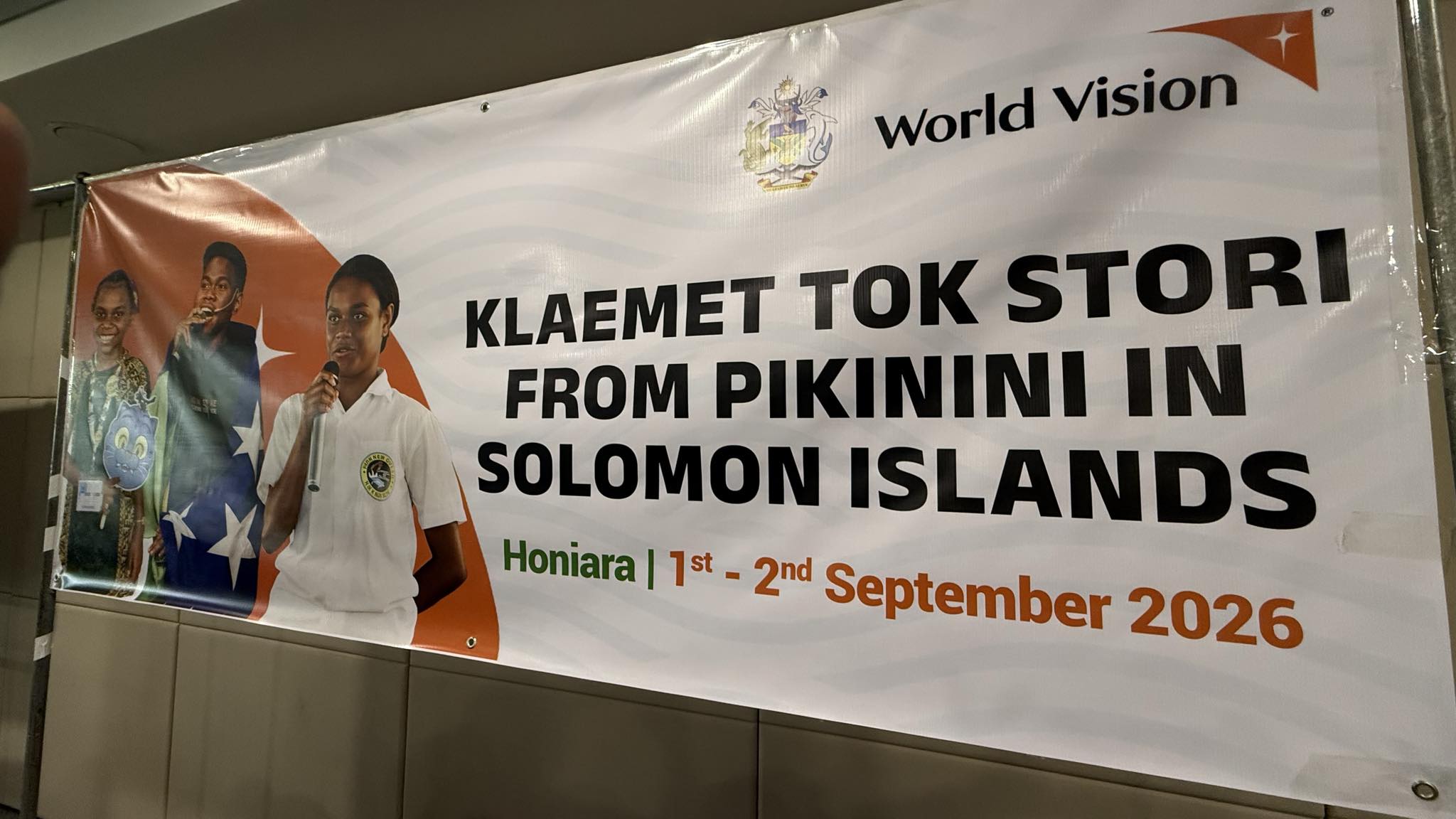
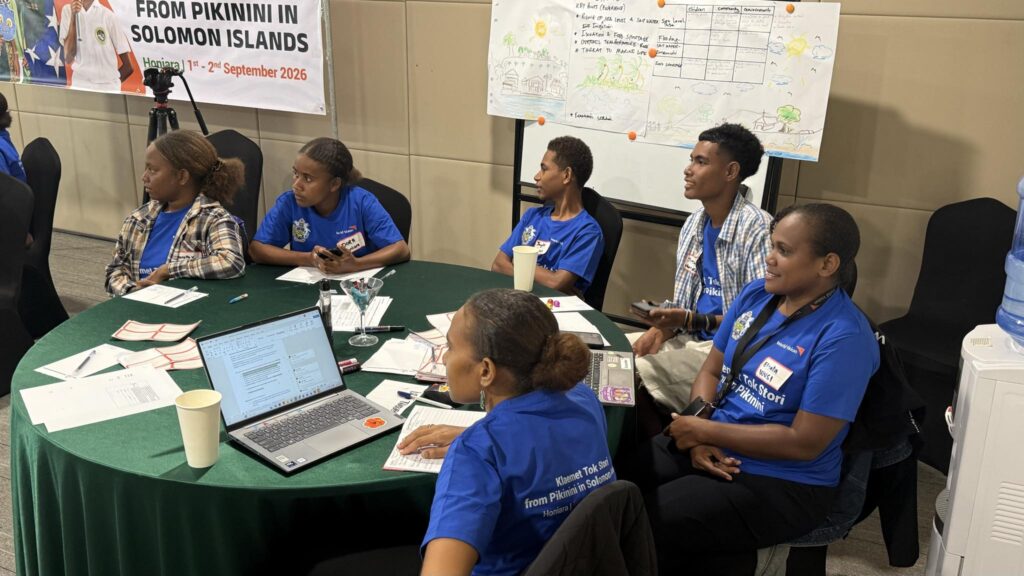
The call was made during the two-day “Klaemet Tok Stori from Pikinini in Solomon Islands”, held at Heritage Park from September 1 to 2 and organised by World Vision Solomon Islands.
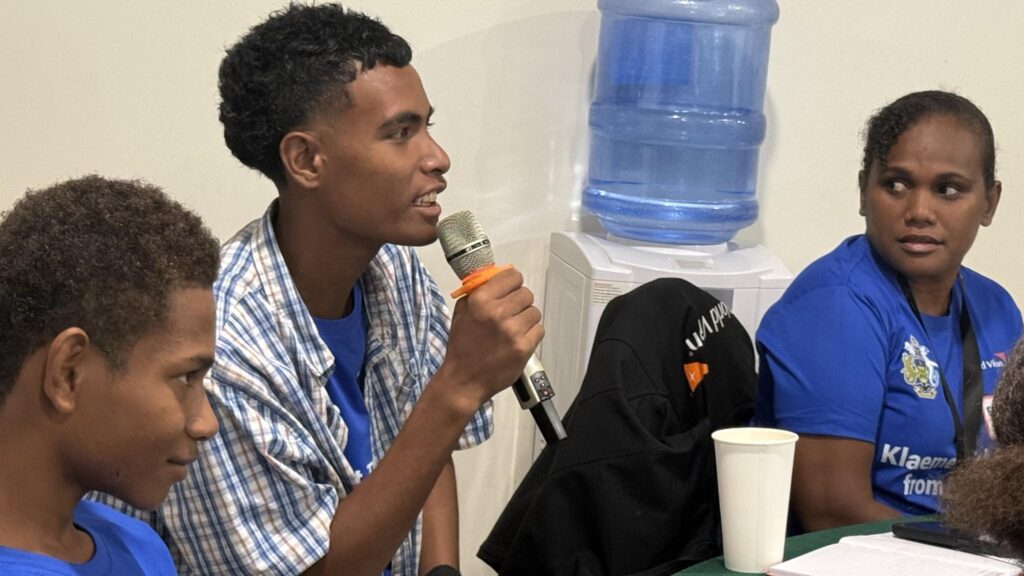
The event brought together children and young people to share their experiences of climate change and discuss possible solutions, while also increasing their understanding of loss and damage and their role in climate advocacy.
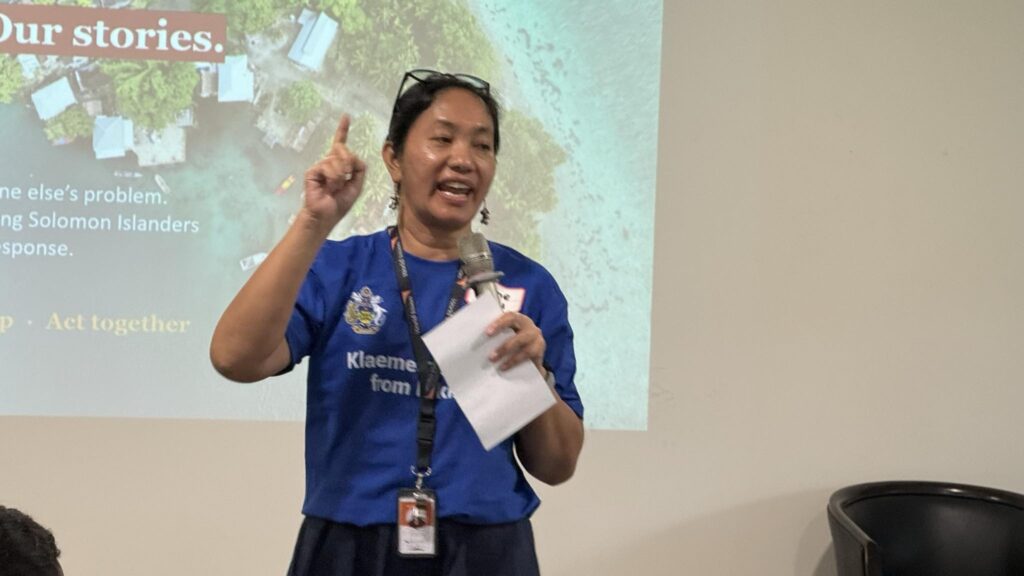
World Vision Solomon Islands Operations Manager Irene Marbun said the involvement of young people in discussions on loss and damage was particularly important because they are already experiencing the impacts of climate change.
Marbun said young people are also the country’s future leaders and need to be equipped with the knowledge and skills to understand climate-related issues and advocate for appropriate responses.
She said World Vision is working closely with young people, women and communities through its projects, extending its work to the community and committee level.
According to Marbun, World Vision is also working alongside the Ministry of Environment, Climate Change, Disaster Management and Meteorology to help translate the government’s Loss and Damage Policy into practical projects at the community level.
She said the ministry and World Vision are currently working together on two projects aimed at addressing loss and damage, with women, youth and communities included in the initiatives.
Chief Resilience Officer Chris Teva of the Ministry of Environment, Climate Change, Disaster Management and Meteorology also highlighted the importance of involving young people in the country’s loss and damage response.
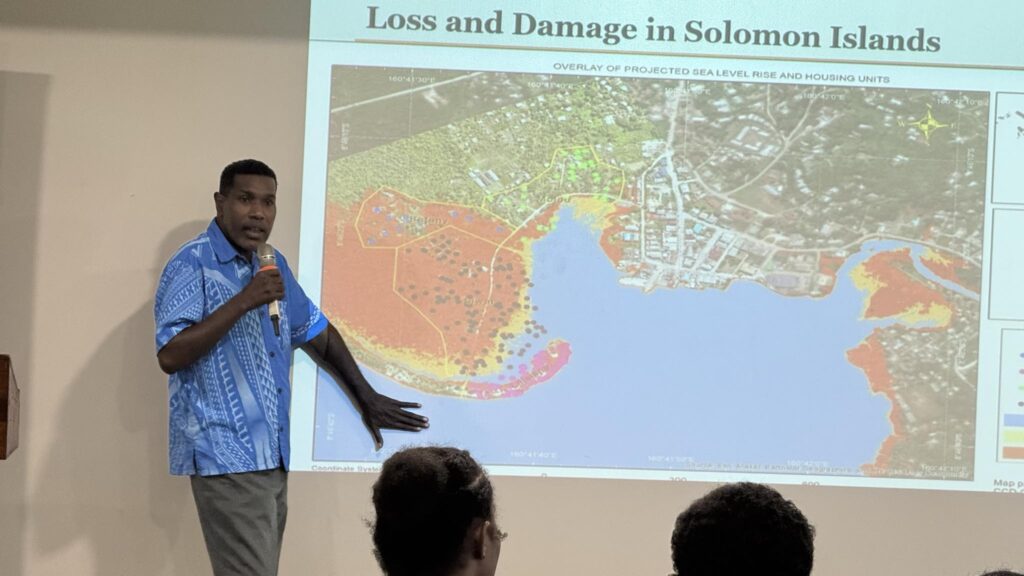
Teva said young people are already living with the realities of climate change and its impacts, making it important for them to understand the concept of loss and damage and how it can be addressed.
He said young people should also be trained in advocacy so they can contribute meaningfully to national and community discussions on climate change.
Teva said the ministry has drafted a Loss and Damage Policy that seeks to be inclusive by recognising the needs and contributions of different groups, including women and young people.
He said the policy is intended to ensure that no group is left behind in Solomon Islands’ efforts to respond to climate-related loss and damage.
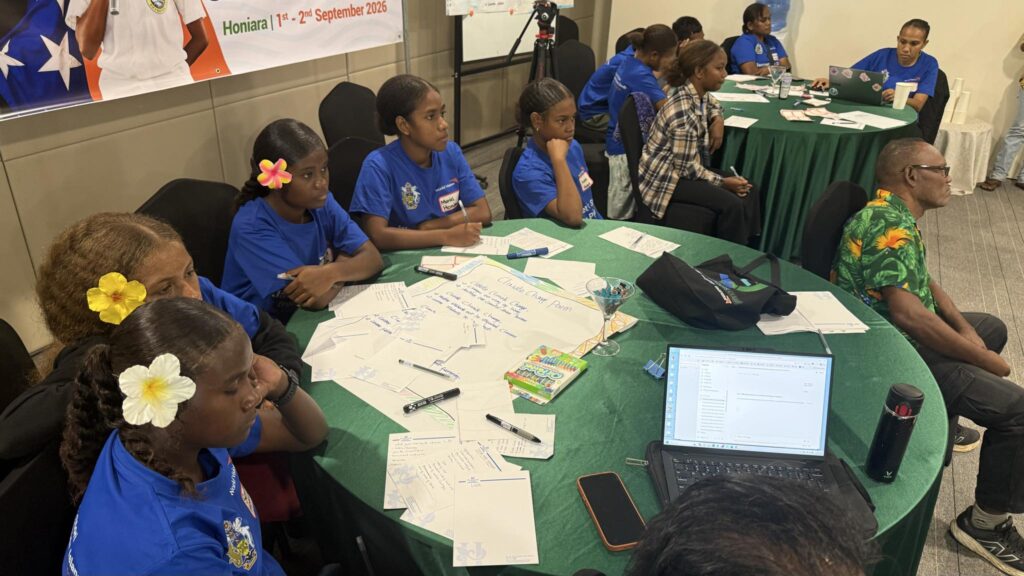
The Klaemet Tok Stori from Pikinini provided an important platform for children to share their experiences and perspectives, while connecting their concerns with national climate policy and programmes.
The organisers hope the discussions will strengthen recognition of children and young people as important voices in climate change decision-making and encourage greater collaboration between government, communities and organisations working on climate resilience.