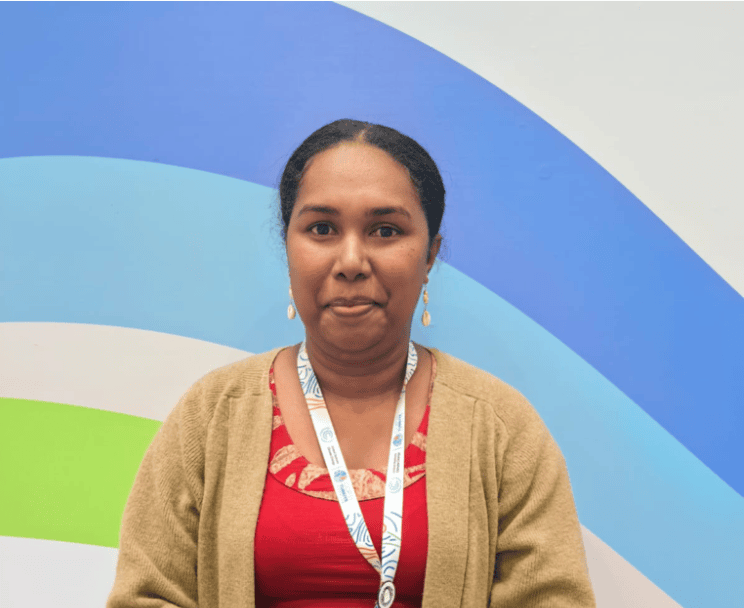

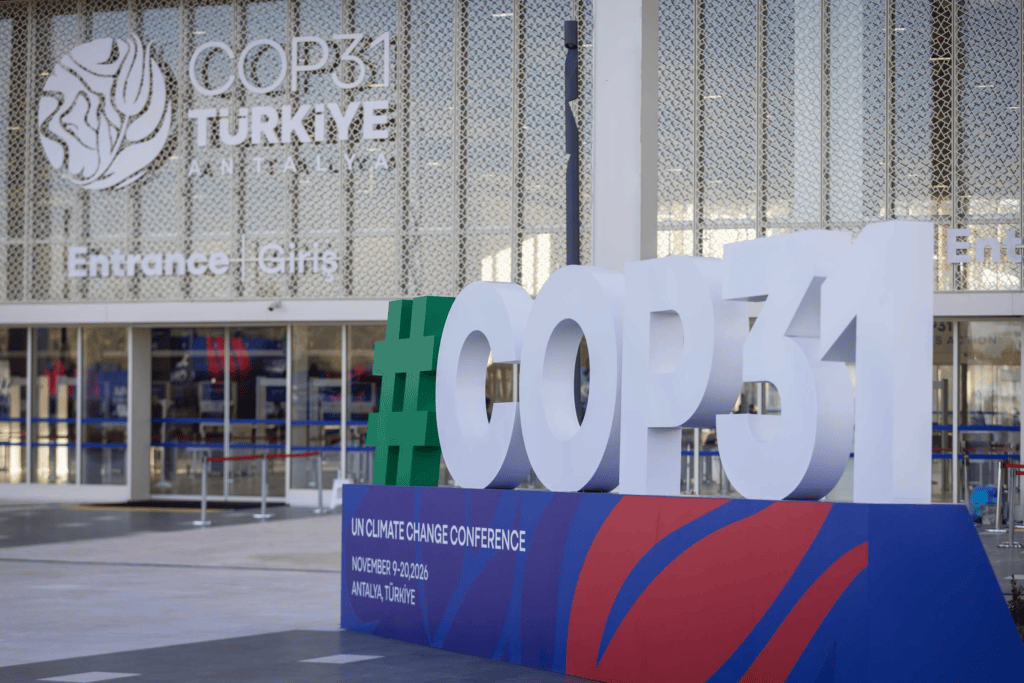
Fifteen journalists from across the Pacific have been selected to report on the 31st Conference of the Parties (COP31) to the United Nations Framework Convention on Climate Change (UNFCCC) in Antalya, Türkiye, from November 9 to 20.
Supported by the Secretariat of the Pacific Regional Environment Programme (SPREP), the journalists will provide vital coverage of climate negotiations that are expected to shape the future of Pacific island nations facing the impacts of climate change.
The journalists represent Solomon Islands, Papua New Guinea, Vanuatu, Palau, Samoa, Niue, Fiji, and New Zealand.
SPREP said the decisions made at COP31 will influence climate finance, emission reduction commitments, and international climate rules that directly affect Pacific communities.
“Pacific audiences need clear reporting on these decisions because they determine how safe and resilient our communities will be in the future,” SPREP said.
Pacific Heads to COP31 with Strong Regional Voice
Pacific leaders arrive in Antalya backed by two key declarations, three newly appointed COP31 envoys, and a regional climate finance initiative already gaining international support.
The Belau Declaration, adopted during the Pacific Islands Forum Leaders Meeting in Palau in September, identifies climate change as the single greatest threat facing Pacific peoples. It calls for urgent reductions in fossil fuel emissions, significantly increased climate finance, and recognition of the ocean as a critical climate regulator.
The declaration also reinforces international legal guidance from the International Court of Justice (ICJ) and positions the Pacific Resilience Facility (PRF) at the centre of regional climate finance efforts.
The second declaration, Taku Pakasoa, was endorsed during the Pacific Pre-COP meeting in Nadi, Fiji, in October.
Named after a Tuvaluan phrase meaning “strength in unity,” the declaration warns that every fraction of a degree of warming increases the risk of irreversible climate impacts. It reaffirms the science of the Intergovernmental Panel on Climate Change (IPCC), supports community-led adaptation, and stresses that Pacific nations retain their sovereignty despite rising sea levels.

Pacific Priorities at COP31
Pacific Small Island Developing States (PSIDS) will focus on three key priorities:
- Keeping the 1.5°C warming target within reach.
- Securing greater climate finance for vulnerable communities.
- Ensuring the ocean receives stronger recognition in climate negotiations.
The region’s headline messages call for increased grants-based financing, support for the Pacific Resilience Facility, protection of the special circumstances of Small Island Developing States (SIDS), and greater investment in ocean-based climate solutions.
Dual Tracks of Negotiation
COP31 features two parallel processes:
- Formal climate negotiations, led by Australia, with more than 60 decisions under discussion.
- The Action Agenda, led by Türkiye, focusing on voluntary commitments from governments, businesses, cities and civil society.
Türkiye has identified ten Action Agenda priorities, including oceans, food security, youth engagement, climate-resilient cities, clean energy transition, resilient health systems, and green industrialisation.
Waste Management Takes Centre Stage
For the first time in COP history, waste management has been included as a dedicated Action Agenda theme.
Türkiye’s “Zero Waste” initiative highlights efforts to reduce methane emissions, improve recycling systems, strengthen landfill management, and encourage circular economy practices.
The focus is particularly relevant for Pacific island nations where limited landfill capacity and increasing plastic pollution continue to pose environmental challenges.
SPREP said the Moana Blue Pacific Pavilion at COP31 will be free of single-use plastics and will conduct daily waste audits throughout the conference.

Pacific Representation Remains Strong
Fourteen Pacific island countries are Parties to the UNFCCC and signatories to the Paris Agreement. They include Cook Islands, Federated States of Micronesia, Fiji, Kiribati, Marshall Islands, Nauru, Niue, Palau, Papua New Guinea, Samoa, Solomon Islands, Tonga, Tuvalu and Vanuatu.
All are members of the Alliance of Small Island States (AOSIS), currently chaired by Palau, and the Pacific Small Island Developing States (PSIDS) group, currently chaired by Fiji.
Regional support at COP31 is being coordinated through the One CROP mechanism led by SPREP, bringing together Pacific regional organisations to strengthen the region’s voice at the global climate summit.
COP31 will concludes on 20 November, with Pacific nations hopeful the conference will deliver stronger commitments to protect vulnerable island communities from the growing impacts of climate change.
source : Eddie Osifelo , Antalya, Türkiye