

HONIARA, Solomon Islands – A high-level oversight mission led by the United Nations Development Programme (UNDP) has conducted its Solomon Islands leg, targeting critical project redefinitions for environmental initiatives in the Solomon Islands, Tonga, and Fiji.
The mission, led by UNDP Regional Technical Advisor Tharuka Dissanaike, aims to address findings from the Mid Term Review (MTR) of the SAFE project (PIMS 6566) in the Solomon Islands and the R2R project (PIMS 6475) in Tonga.
The SAFE project is a USD 9.2 million Global Environment Facility (GEF) funded initiative designed to enhance biodiversity safeguards and sustainable land management across five locations in the Solomon Islands. Despite beginning implementation in 2023, the project encountered significant hurdles, including high staff turnover and logistical challenges in provincial areas.
A recent MTR conducted between April and June 2026 rated the project’s implementation progress as “unsatisfactory,” prompting this immediate intervention. The mission will focus on facilitating workshops to revisit the Results Framework and annual work plans, Identifying additional support needed for the Project Management Unit (PMU) and Implementing Partners and Preparing for the upcoming GEF-9 replenishment cycle for future pipeline development.
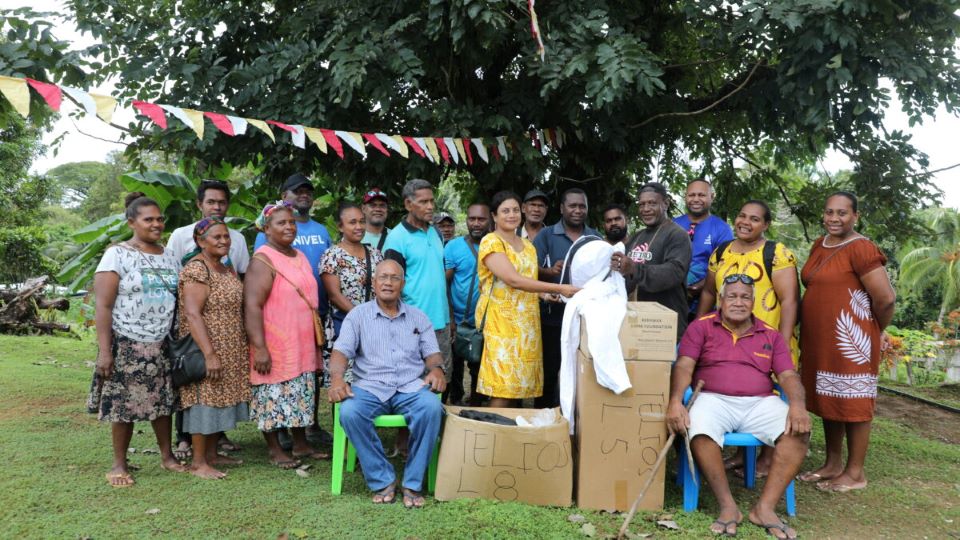
A core component of the mission includes a four-day field visit to Loina, North Malaita, from July 16 to July 20. The mission team—comprising experts from UNDP and the Ministry of Environment, Climate Change, Disaster Management and Meteorology (MECDM)—will meet with local communities and conduct site visits to demonstration plots to assess ground-level implementation and community needs.
Following the Solomon Islands leg, the mission will extend to Tonga for four days and Fiji for two days to ensure regional programmatic and operational priorities are met. This integrated approach was designed for cost efficiency while delivering essential oversight and resource mobilization objectives.
“The mission responds to programmatic and operational priorities arising from the MTR,” according to the mission’s terms of reference, and seeks to establish a “shared understanding of roles, responsibilities, and timelines” to put these vital environmental projects back on a successful trajectory.
Source: Ministry of Environment Climate Change & Disaster Management