


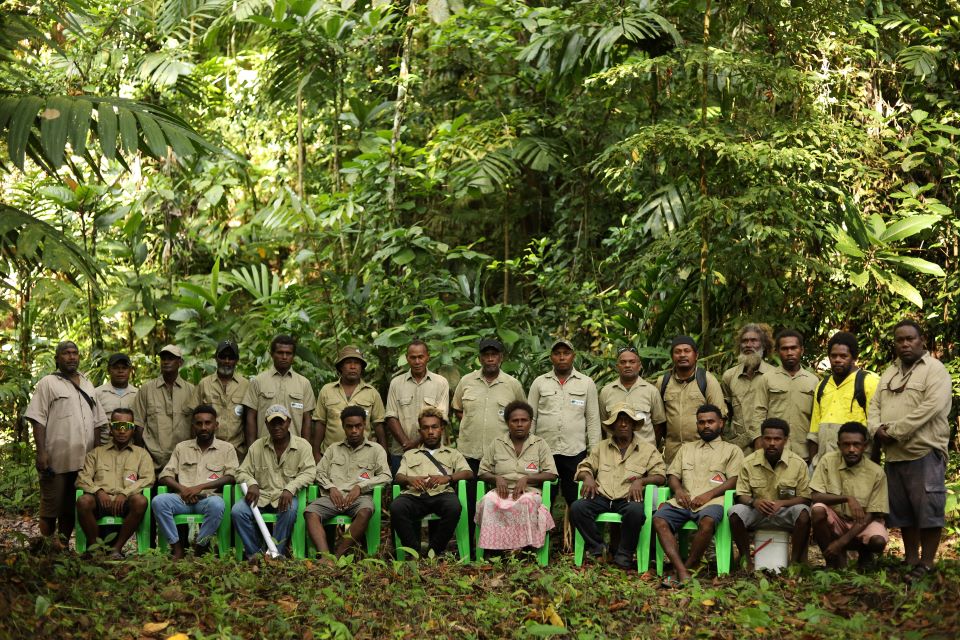
The Nasi Land Resources Conservation Foundation (NLRCF), in collaboration with Solomon Islands Rangers, recently conducted a successful Rangers Training program that covered the Rapid Biological Baseline Survey, hands-on GPS training, Effective CBO Board practices, Good Leadership and Governance at the Nasi Land Resources Conservation Centre in Waiparapara village along the Wairaha River in West Are’Are, Malaita Province.
Over the course of three days, the training brought together 27 participants from six conservation groups that are advancing towards their Protected Areas goals. These groups include the Nasi Land Resources Conservation Foundation, WaiHau Conservation Foundation, Aparoro Tribal Forest Conservation, Otepaina Tribal Forest Conservation, Anoniko’a Mangrove Conservation Association and Leleigela Conservation. The training started on Monday 15th and concluded on Wednesday 17th December, aiming to deepen the participants’ understanding of the biological diversity of their land and forests. Additionally, it sought to enhance the capacity of the Nasi Land Resources Conservation Foundation Rangers and the skills of community members involved in conservation efforts to bolster their community activities and initiatives. This workshop also prepared conservation Coordinators and Chairpersons to effectively grasp their leadership roles and governance structures as CBOs under the Charitable Acts of Solomon Islands, equipping them with essential skills.
The NLRCF is a recognized Tribal Conservation Foundation that unites tribal members from diverse communities in West Are’Are and West Kwaio, along with institutions and passionate individuals committed to safeguarding, conserving and enhancing the resilience of the Wairaha River basin. Currently, NLRCF receives support from the Global Greengrants Fund in the USA and is implemented in partnership with the Solomon Islands Rangers Association.
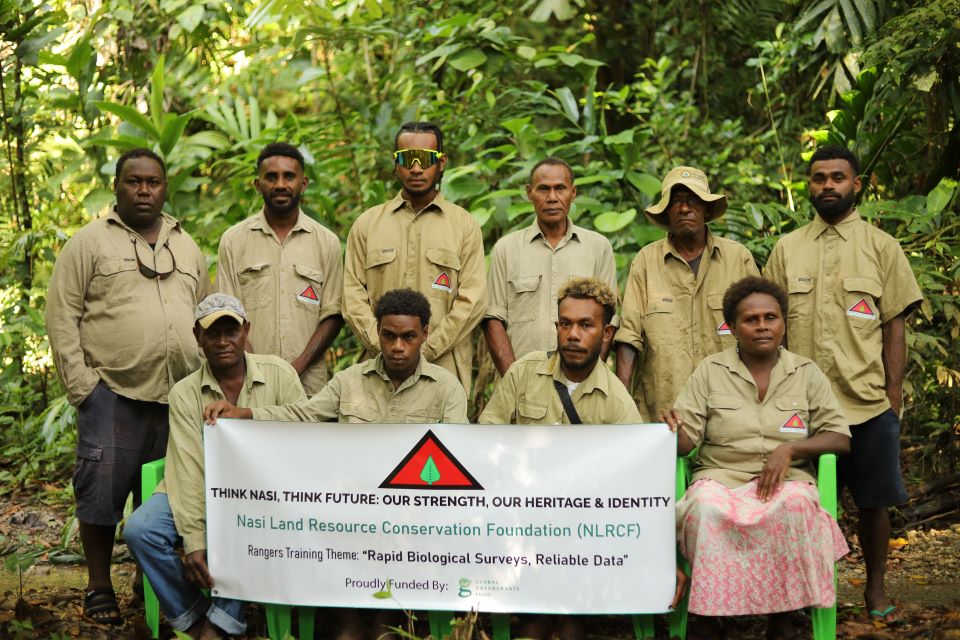
The rangers training was conducted over three days and included a series of facilitated workshops featuring PowerPoint presentations, practical exercises, panel discussions, and reflection sessions. These activities were designed to engage participants actively and improve their understanding and proficiency in Rangers training, rapid biological surveys, effective CBO boards, hands-on GPS training, Good Leadership and Governance.
The rangers were actively involved in conducting a Rapid Biological baseline survey for two nights, during which they successfully recorded and released various species into the wild.
Technical Consultant Specialist, Mr. Albert Kwatelae and Program Manager, Mr. Edward Huitarau, led the three training sessions, respectively, emphasizing the significance of the rangers’ work and skills in protecting the flora and fauna of the Solomon Islands from threats.
Richie Rarohikeni from NLRCF expressed his enthusiasm for participating in the training. “I am the Coordinator for NLRCF and a youth leader at Hauhui, and I am grateful to have been selected for this training. It will empower me as a leader to share Rangers stories with our youth.”
Philemon Maudua, Coordinator of Leileigela Conservation, also noted that the training has provided him with valuable insights to share with his rangers.
Ishmael Tautarau, the Head Ranger of the Otepaina Tribal Forest Conservation, also conveyed his appreciation to NLRCF and SI Rangers for conducting the training for Conservation groups within the Wai-Hau Cluster. “I want to express my appreciation to NLRCF and SI Rangers for facilitating this crucial training, which assists our leaders in grasping the importance of efficient CBO boards and how we can tackle these challenges.”
“As the program Manager, I conveyed to these rangers that they serve as the backbone of numerous initiatives aimed at safeguarding the environment, referring to them as the “frontliners and last liners” in the effort to conserve and protect our land and forests. I also reminded them that, ‘You are the ones who are on the ground. You patrol, monitor for illegal activities and safeguard the land — and much of what you accomplish often goes unnoticed by the broader society.” I encouraged these rangers to view their role in a wider context — not merely as conservation workers, but as individuals who have the capacity to heal and restore the environment and their communities.
“I also reminded them that environmental efforts are intricately linked to the survival and well-being of local communities, many of which heavily depend on natural resources. Your work transcends mere protection of flora or fauna; it is about lives — the lives of individuals who rely on the land, forests, freshwater, and seas,” he said.
Source: Nasi Land Resources Conservation Foundation (NLRCF),