

Friday 11 September, Honiara – Alexander Dite’e is a high school teacher at Aligegeo Provincial Secondary School in Malaita Province. He lives with his family in the provincial capital, Auki. Before pursuing a degree in Fiji, he had a keen interest in agricultural activities and has experience in poultry farming.
“The livelihoods of our people in the village depends heavily on agriculture to support our families,” he said.
With this in mind, upon his return, Mr. Dite’e formed the ADA Alliance and Farmers Association, one of 45 Agribusiness Producer Organizations (ABPOs) in Malaita Province, supported by the Solomon Islands Agriculture Rural Transformation (SIART) Project, a World Bank funded initiative implemented by the Ministry of Agriculture and Livestock (MAL).

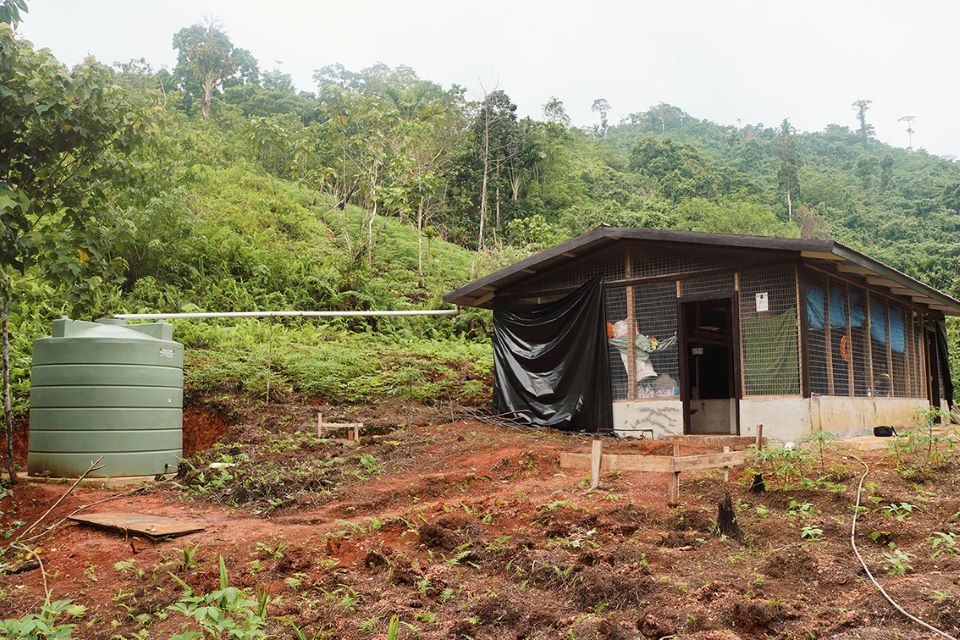
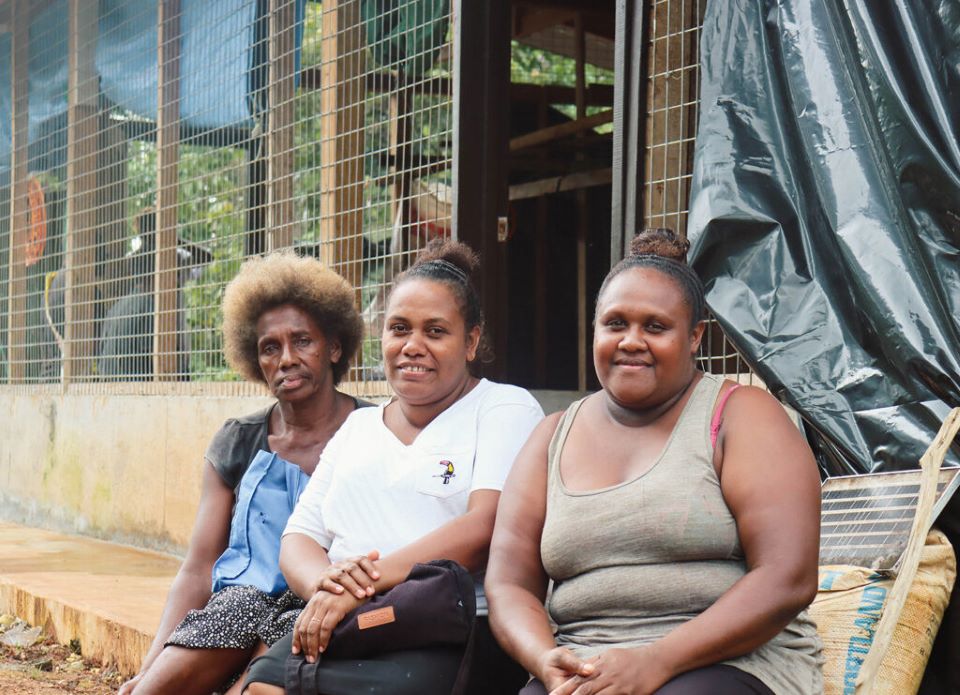
The ADA Alliance and Farmers Association is made up of an extended family of 20 household farmers, including women and children, in Analolo Village, in the mountains of Central Kwara’ae.
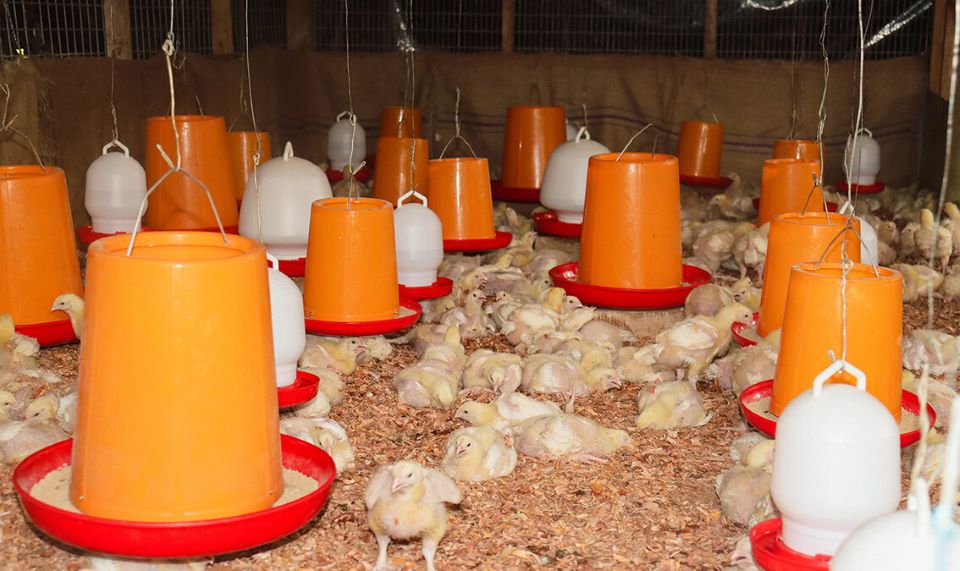
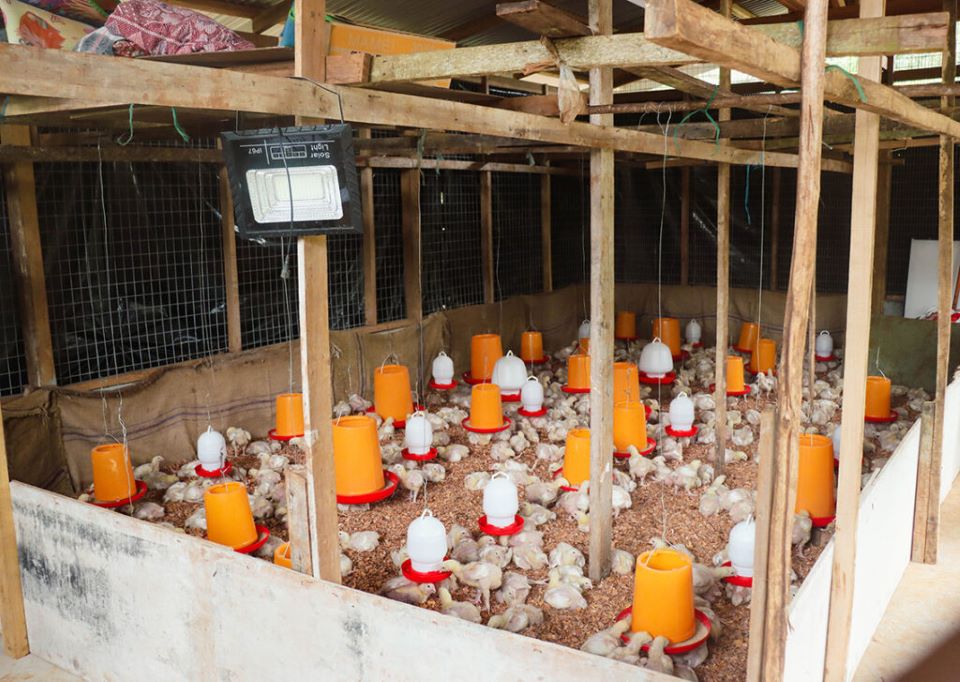
Through the Association, Mr. Dite’e as Chairman and members will receive 1,000 day-old-chicks from the SIART Project. The Project has also supported them with a poultry house, equipment, starter feed, and a revolving fund to manage their agribusiness.
“Thank you to the SIART Project for this opportunity and for assisting our struggling farmers in the rural communities,” Mr. Dite’e, said.

“This support has put us in a position where we have the opportunity to start our village poultry farm and an organized agribusiness as a group,” he added.
The first bunch of 500 day-old-chicks arrived in Analolo village in late August 2026 with a second bunch expected to be delivered soon.
After 6 weeks of feeding, the farmers at Analolo village will go to the market at $120 per bird and can easily earn up to SBD$100,000 for their 1,000 birds provided by the SIART Project.
Central hub for feeding
Every fortnight, Mr. Dite’e travels to the village to meet with members of the association. And they have agreed on a system on how to operate their agribusiness in these early stages as they look to grow and become self-subsistent going into the future.
“The facility or poultry house constructed as part of the support from SIART will be our central hub where all the birds will be raised,” Mr. Dite’e, said.
“When the birds are strong enough, we can give to our farmers as they also have their own poultry houses that can cater for 50 to 100 birds,” he said.
The aim of the Chairman and his farmers is to build the cash base of the association in the first two years by using a central hub to raise their birds before taking the next step in enhancing the capacity of their farmers to cater for more birds at their individual poultry houses.

While SIART has also supported the association with a generator, solar set and freezer, their long-term goal is to build a storage facility in the village.
“This will allow us to store our birds after slaughter before transporting them to our buyers,” Mr. Dite’e said.
“As our cash base grows, we will look at using the money earned to build our storage facility which is very important for us,” he added.
Relishing the benefits and mitigating the challenges
The farmers at Analolo village are grateful to the SIART Project for putting them in a position to start somewhere.
“The funding support SIART in itself is already a benefit for us,” Chairman, Mr. Dite’e, said.
“It provided us the opportunity to have 1,000 birds and feed without spending any money. For us, this is a big help which we really value. That is why we will ensure that the implementation of this project is done properly to ensure that everyone, all our farmers benefit,” he added.
Apart from the financial aspect, the farmers are also recipient of capacity building trainings delivered by the SIART Project.
Like any other project been implemented, there will always be challenges. For the ADA Alliance and Farmers Association, their geographical location is a major challenge.

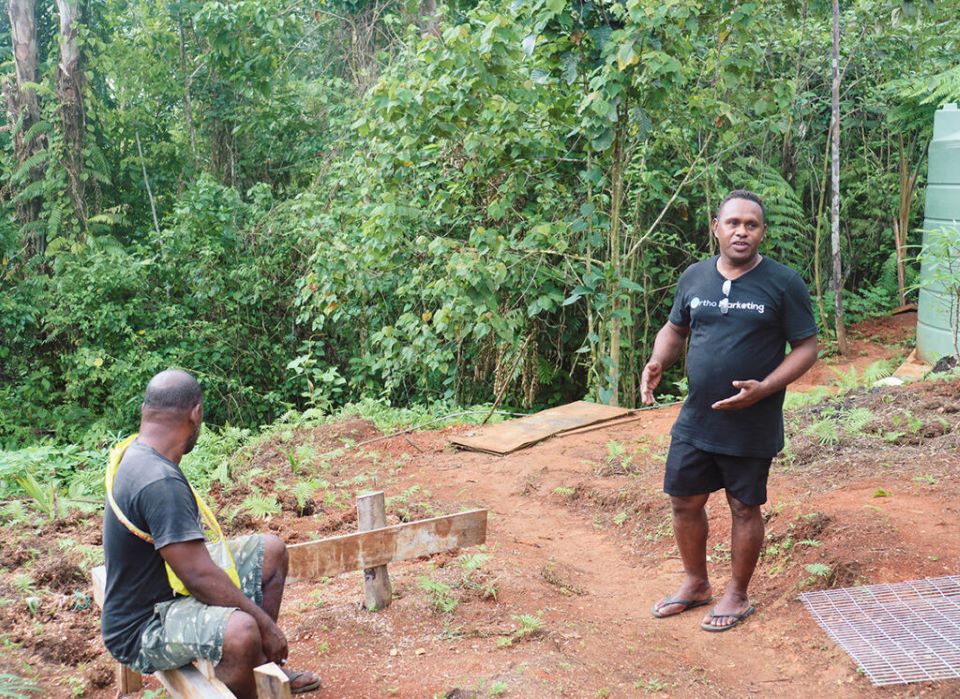
To get to Analolo village, you go by truck from the provincial capital Auki and then walk a distance from the main road crossing at the head of the Fiu River on the way.
“To ensure we successfully implement our project, we have to work together to mitigate the challenges,” Mr. Dite’e, said.
“Farmers must have a sense of ownership of this project, so that everyone works. We are not expecting immediate benefits, but overtime we will reap the rewards of our hard work,” he added.
Since their association is made of all closely related family members, Mr. Dite’e said solving issues and concerns amongst members is easy with everyone committed to mitigating any challenges faced.
Sustainability of their ABPO
With the SIART Project coming to an end at the end of 2026, the ADA Alliance and Farmers Association are already mapping out their plans to ensure the sustainability of their agribusiness going into the future.
They will be using their SIART funded poultry house as a central feeding hub for two years or so with the aim of building the cash base of the association. During this time, they plan to enhance the capacity of their farmers to raise 50 to 100 birds at their individual poultry houses.
“When the time comes for our member farmers to raise birds at their own poultry houses, they will then sell them when ready to the association.
“The association is currently working on securing markets for our birds in Auki and also to Honiara,” Chairman, Mr. Dite’e, said.
As part of the support to ABPOs, SIART has also provided revolving funds to enable them to operate their agribusiness.
And a key aspect to managing and operating their agribusiness is undergoing relevant training.
Mr. Dite’e said the trainings SIART delivered have been very helpful both on farm management and on the financial side.
“The financial literacy training is an important aspect to ensure our farmers are capable of properly keeping and managing their records,” he said.
While they are focused at making their association a success, the farmers are happy to also continue with normal village activities to earn incomes for immediate needs.
“Most our members are piggery farmers before we started this association.
“So as our poultry agribusiness grows going into the future, the association can also support our members to enhance their piggery farms if they wish to,” Mr. Dite’e said.
For now, with the first bunch of 500 chicks already in their central poultry house, and 500 more to come, the local farmers at Analolo village have a bright future in sight.
Source: SIART Press Release