

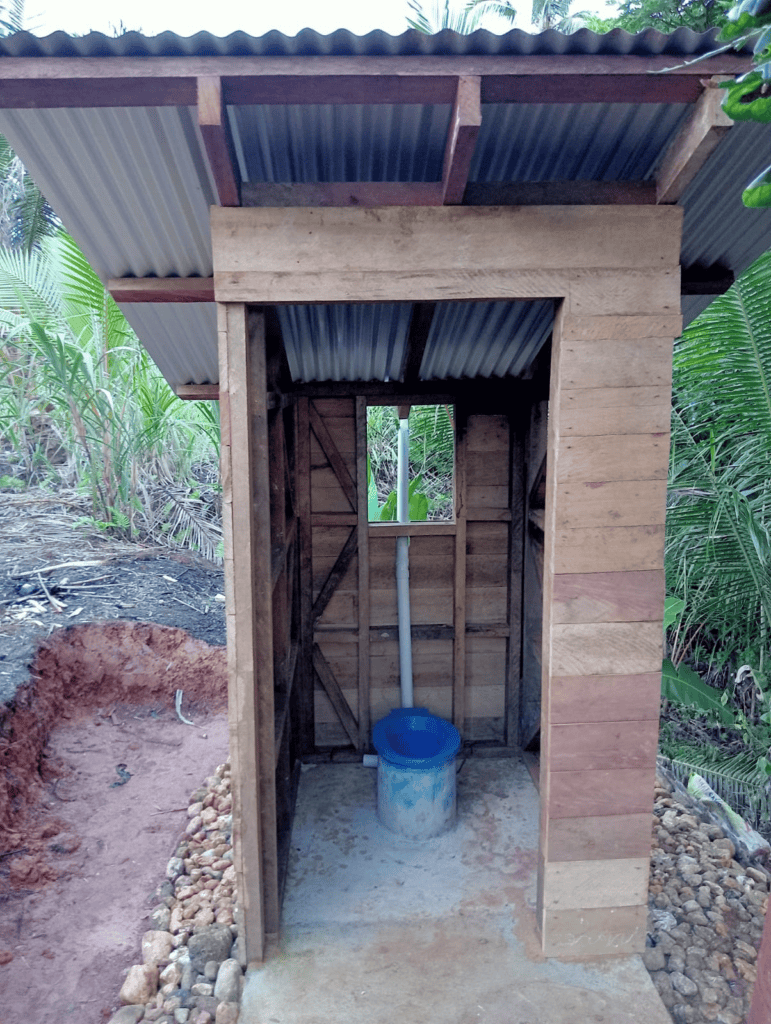
A community leader in Small Malaita, Grayham Bercy Tahu, has praised the Pacific Resilience Facility (PRF) for providing $160,000 (USD20,000) in assistance to help the Apunepara Ha’amwaora Natural Resources Association (AHNRA) establish sanitation facilities in three coastal communities: Sarawasi, Kelinge and Waitoto.

The three coastal communities have experienced the impacts of climate change since the 1990s, when saltwater intrusion damaged their gardens and forced families to relocate inland.
Tahu was invited by the Pacific Islands Forum Secretariat to provide an update on the progress of the small grant project, which runs from September to December 2026, and its impact during a side event at COP31 in Antalya, Turkey, on Friday.

PIF Secretary-General Baron Waqa and Tuvalu Prime Minister Feleti Teo were also present at the side event to discuss the PRF and its impact on communities throughout the Pacific.
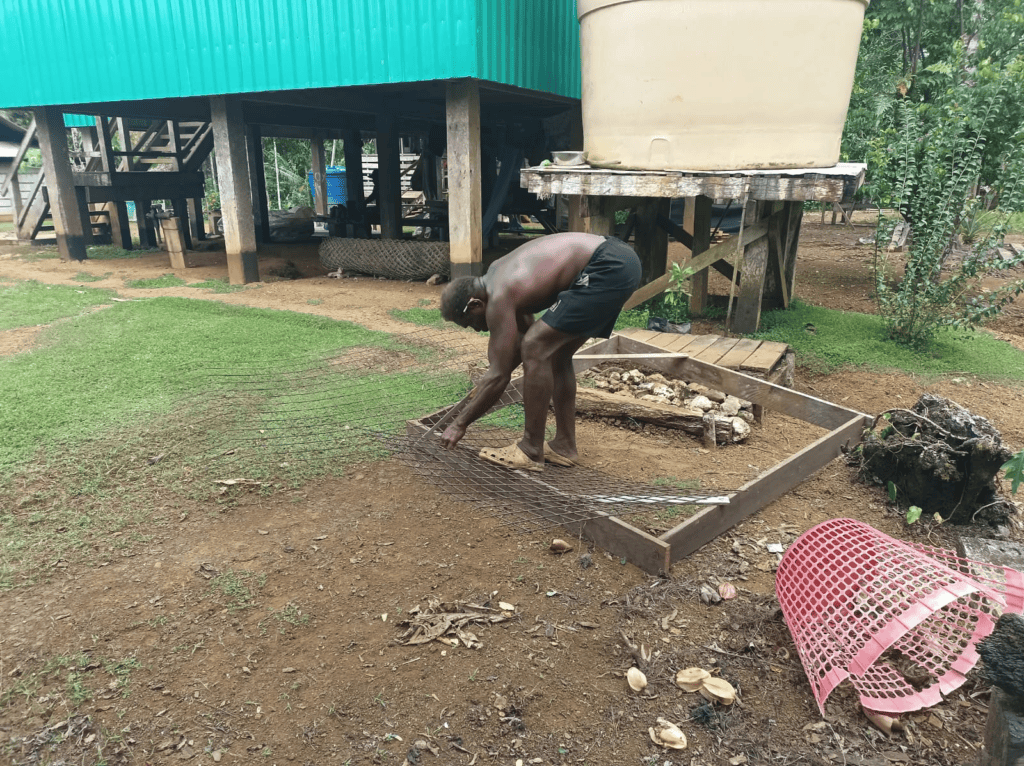
Speaking to the media, Tahu said the project had resulted in the construction of 10 new sanitation facilities and the upgrading of another 20, providing a total of 30 safe and climate-resilient facilities.

He said the project was about more than sanitation.
“It is about dignity, health, inclusion and hope for safer conditions for our children, secure access for older people and accessible facilities for people with disabilities.
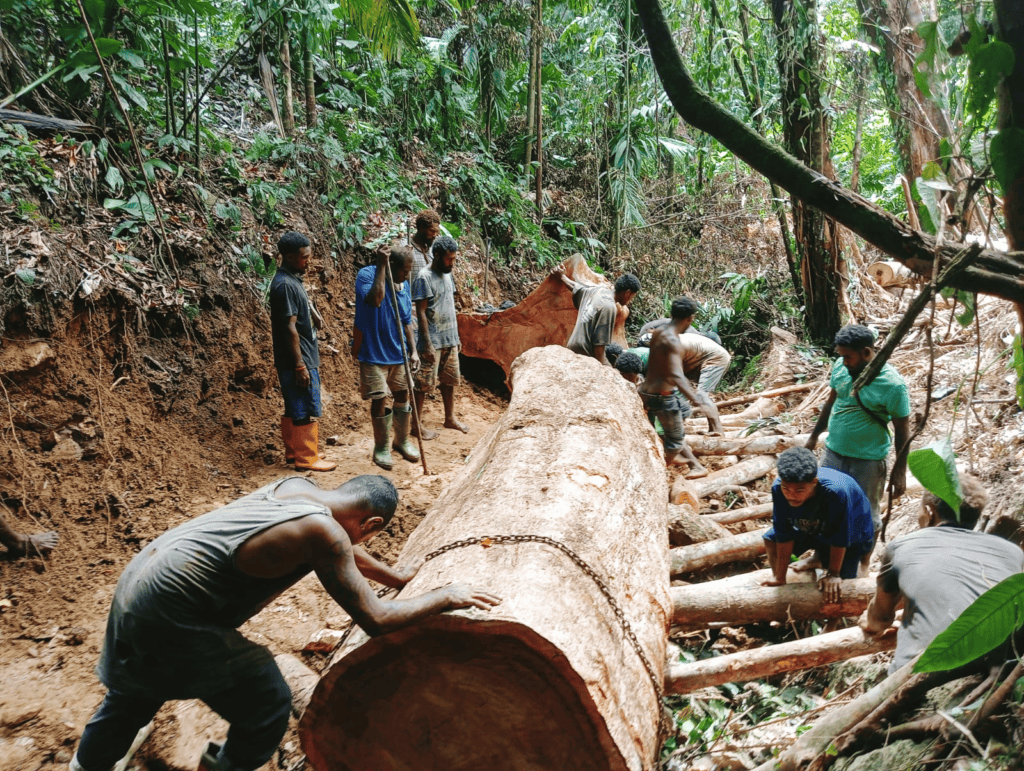
“It has also brought us together. Women and young people have contributed ideas, planning and leadership. Men and youth have cut timber in the forests using traditional knowledge and carried heavy materials back to the villages,” he said.
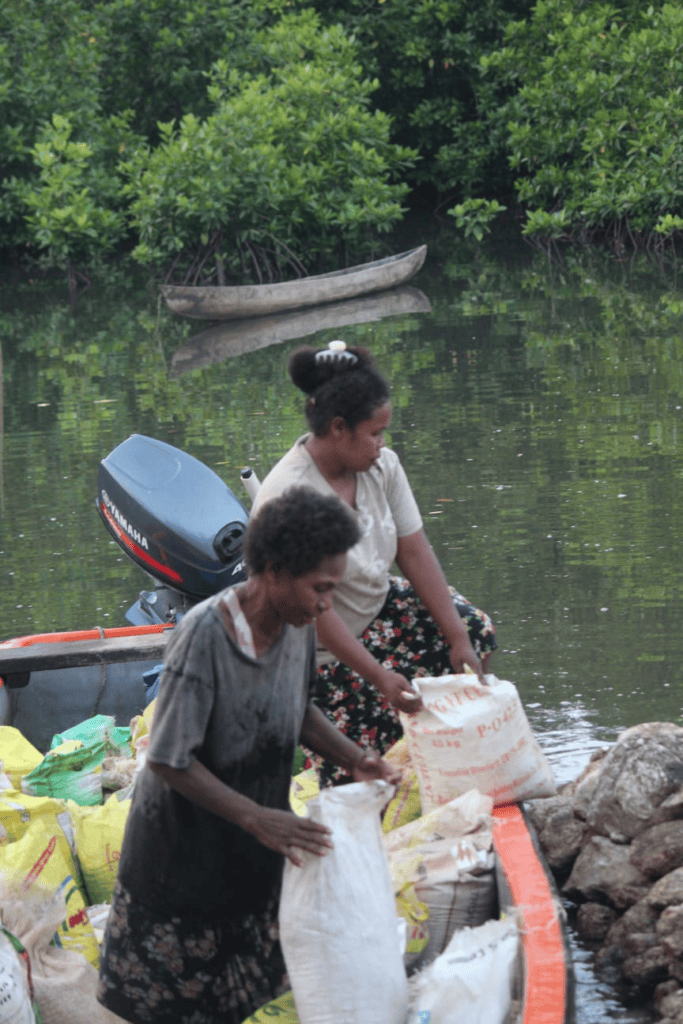
“To us, this is what resilience looks like: women and men working side by side despite rising seas, young people taking responsibility, and no one left behind, especially older people and persons with disabilities,” he said.
Tahu said accessing PRF funding was much easier compared with other funding opportunities, which he described as rigid and difficult for communities to access.
“It takes us only three months from application, approval and due diligence checks to when the money arrives in the organisation’s account.
“It is only three months. Unlike other funding, which can take three years to access from the time of application,” he said.

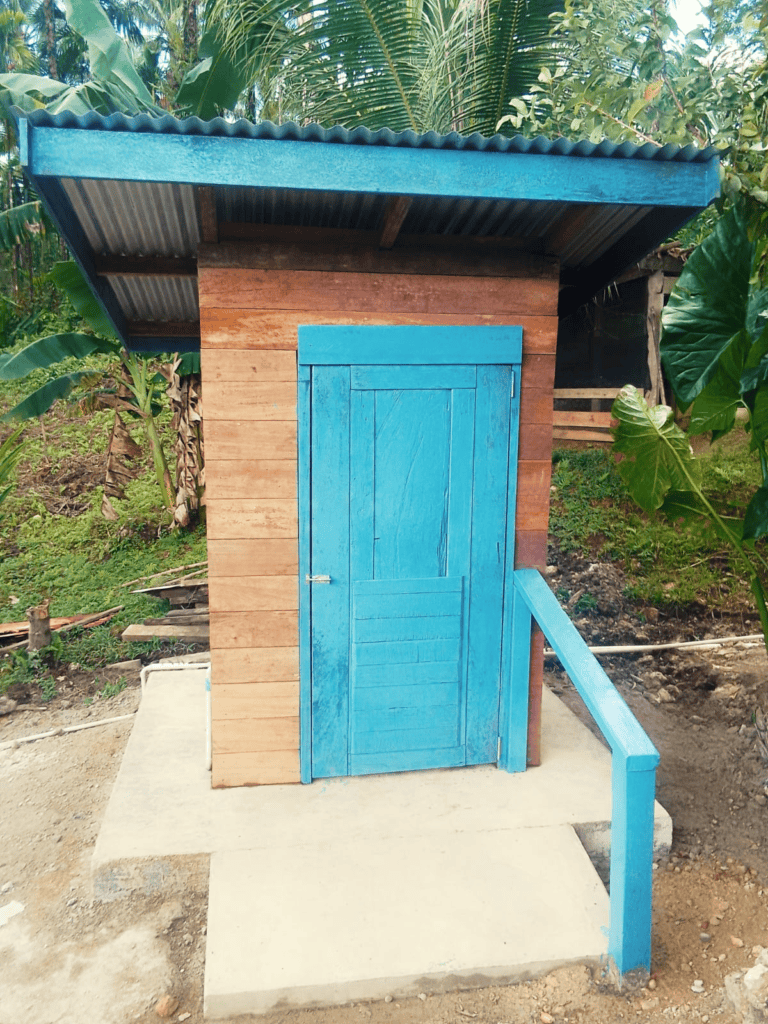
Tahu said the importance of the project was in building resilience and reaching communities at the last mile.
Meanwhile, Secrerary General of PIF, Baron Divavesi Waqa said the 2050 Strategy for the Blue Pacific Continent sets out their long term vision for a strong, resilient and united Pacific.
“It calls on us to act together and invest in resilience across the areas that matter to our people, from water and food security to infrastructure and livelihoods.
“The decisions we made today must help communities manage immediate risks and prepare for the conditions future generations will face,” he said.
Mr Waqa said resilience starts with communities deciding what they need and having the resources to act.
“This is the purpose of the Paciic Resilience Facility. It is designed to help communities finance their own priorities, whether that means improving water storage before a drought, protecting food production or making essential infrastructure more resilient.
“This is how the Facility can help communities prepare for the impacts of El Nino while building lasting resilience to climate change and disasters,” he said.

The PRF has supported about 14 communities across the Pacific through its small grants programme this year.
Some of the projects include the provision of water tanks for the Women’s Multipurpose Centre in Funafuti, Tuvalu, and support for the Kiribati Deaf Association.
The Pacific Resilience Facility (PRF) is a vision of Pacific Islands Forum (PIF) Leaders.
It is the first Pacific-led, owned and managed regional climate and disaster resilience financing facility, dedicated to urgently helping Pacific communities on the frontline of the climate crisis.
The PRF is also the first international financial institution to be collectively owned by Pacific governments.
It will enable the region to scale up access to climate finance through a Pacific-led response: by the Pacific, for the Pacific. It aims to address global climate finance systems that are too slow, too complex and insufficient for vulnerable Pacific nations disproportionately and existentially affected by climate change.
Source : By EDDIE OSIFELO Antalya, Turkey