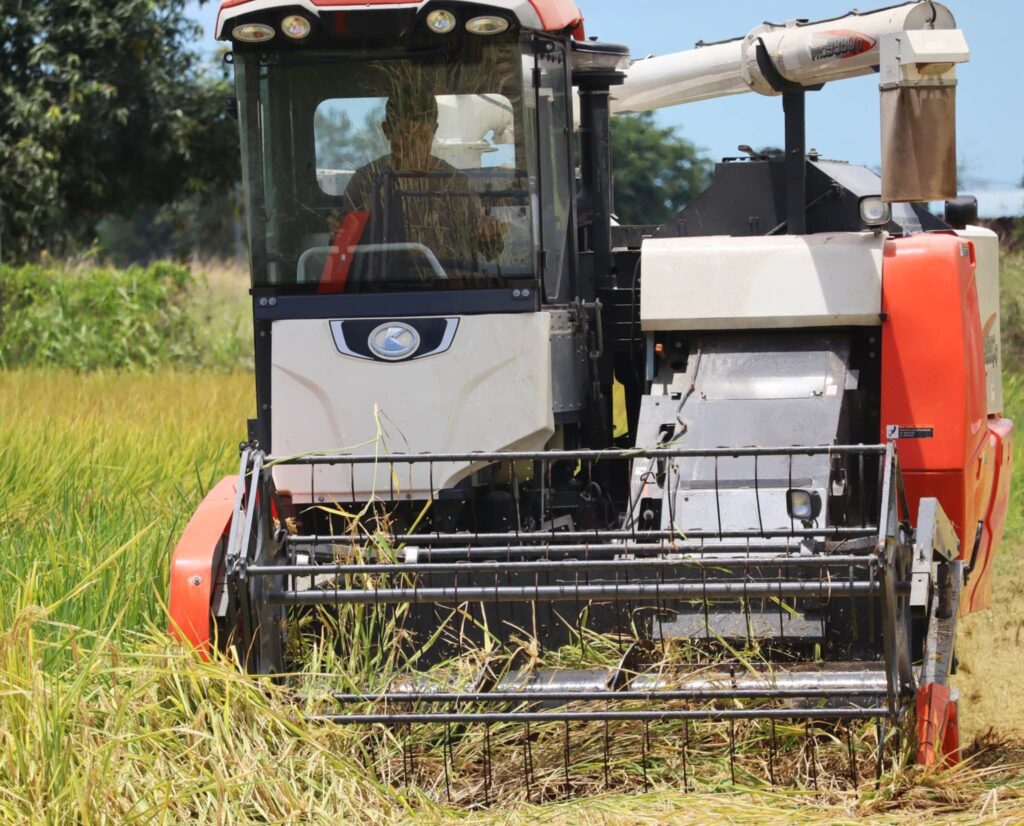
The Dodo Creek Rice Trial Project marked a significant milestone yesterday with its first harvest, following an official ceremony to open the harvesting stage of the initiative.
The project is a collaborative effort between the Ministry of Agriculture and Livestock Development (MALD), the Jiangsu Academy of Agricultural Sciences (JAAS) of China, and JQY. It aims to assess the potential for sustainable rice production in Solomon Islands and contribute to the nation’s long-term food security goals.

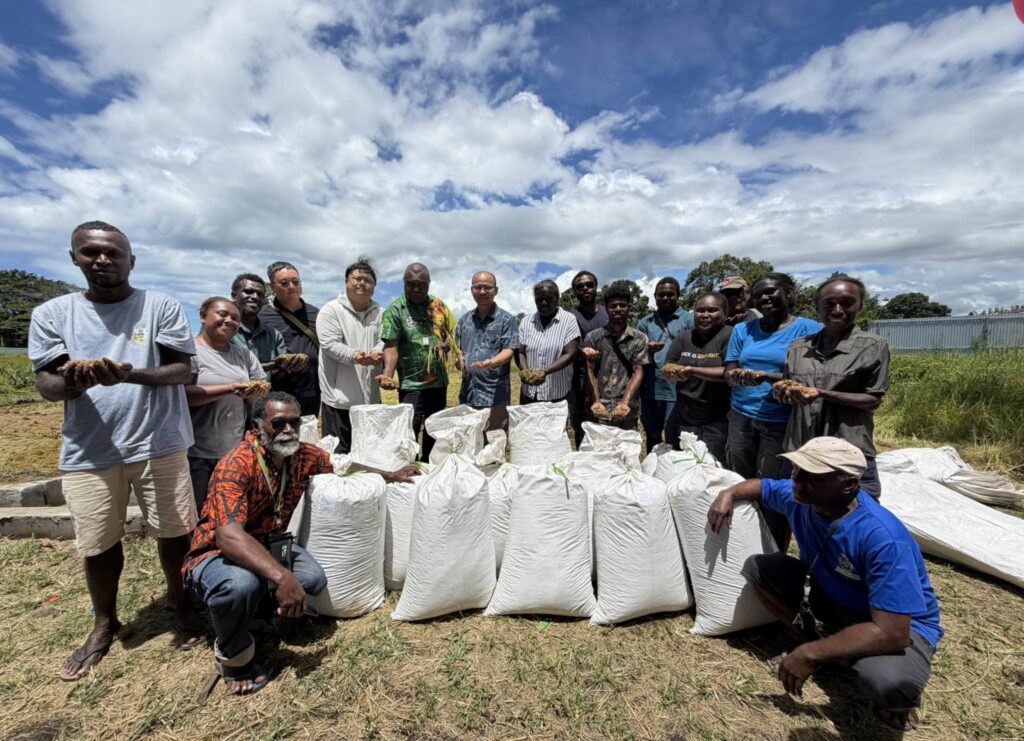
The harvesting ceremony brought together MALD officials and technical staff, JAAS rice specialists, JQY representatives, and project interns to witness the results of months of field preparation, planting, crop management, and technical support.
Opening the ceremony, MALD Deputy Secretary Corporate and Supervising Permanent Secretary, Elda Leah Wate, described the occasion as a celebration of partnership, innovation, and shared commitment to the future of agriculture in Solomon Islands.
She acknowledged the contributions of MALD staff, JAAS experts, interns, and the Government of the People’s Republic of China, emphasizing that the project demonstrates the value of international cooperation in advancing agricultural development and strengthening national food security.

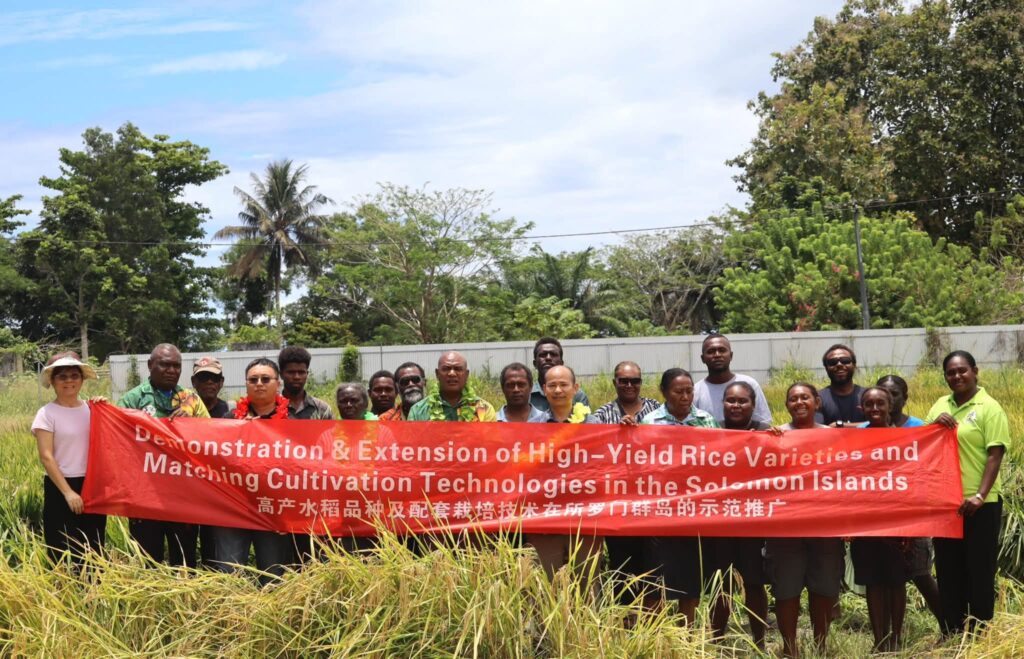
Mrs. Wate said the trial aligns with the Government for National Unity and Transformation’s (GNUT) agricultural policy objectives of building a modern, commercially viable agriculture sector capable of increasing local food production, creating jobs, and improving rural livelihoods.
MALD Deputy Secretary Special Duties, Simon Baete, described the trial as a strong example of what can be achieved when policy, science, and mechanization are brought together.
“This trial plot is a living testament to what can be achieved when policy, science, and practical mechanization come together,” he said.
Mr. Baete highlighted the contributions of each partner, noting that MALD provided policy guidance and extension support, JAAS contributed agricultural research, climate-smart production techniques, and high-yielding rice varieties, while JQY supported the initiative with machinery, equipment, and farming infrastructure.

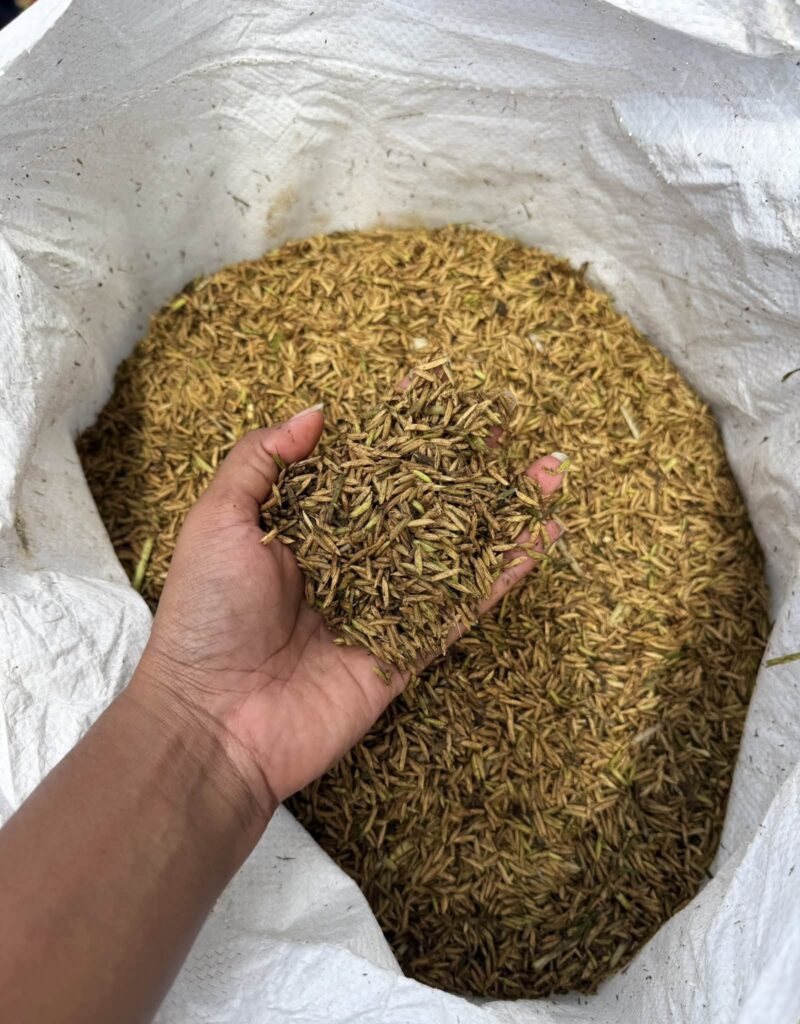
He described the harvest as “a launching pad, not a finish line,” stressing that scientific data and lessons learned from the trial would help guide future rice development initiatives and the possible establishment of commercial rice production hubs.
Mr. Baete reaffirmed the government’s commitment to reducing food imports and expanding domestic production.
“Our strategic ambition is to transform Solomon Islanders from consumers into producers and self-sufficient food exporters. The promising yield potential demonstrated in these trial plots shows that we have the soil, climate, and technology needed to feed our own people. Self-reliance is no longer a distant dream but an achievable goal,” he said.
Dodo Creek landowner Yang Jian Qing said the successful harvest reflected the benefits of dedication, teamwork, and continued support from all partners. He also emphasized the importance of mechanization in rice farming, noting that modern farming equipment can improve efficiency and increase productivity.
MALD interns have played an important role throughout the project, assisting with land preparation, planting, crop monitoring, maintenance, data collection, and harvesting activities. Their participation has provided valuable hands-on experience while supporting the transfer of technical knowledge from MALD and JAAS specialists to the next generation of agricultural professionals.

Under arrangements between MALD and JAAS, rice specialists from China continue to work alongside local staff on rotational assignments of two to three months. At the harvesting stage, two new specialists have arrived to continue supporting the project following the departure of their predecessors.
The successful harvest at Dodo Creek marks another important step in assessing the viability of rice production in Solomon Islands and reinforces ongoing efforts to strengthen food security, reduce dependence on imported rice, and promote sustainable agricultural development
Source : Ministry of Agriculture